Nepal is one of those rare destinations where the journey itself becomes the biggest attraction. From dramatic Himalayan peaks to quiet mountain villages, Nepal treks offer completely different experiences depending on the route, season, and difficulty level.
The country has trails for first-time hikers as well as experienced mountaineers looking for demanding high-altitude adventures. Some routes bring trekkers close to Mount Everest, while others move through ancient villages, Buddhist monasteries, forests, deep valleys, and landscapes that look almost unreal.
If you are planning a Himalayan adventure, these eight Nepal treks deserve a place on your bucket list.
1. Everest Base Camp Trek
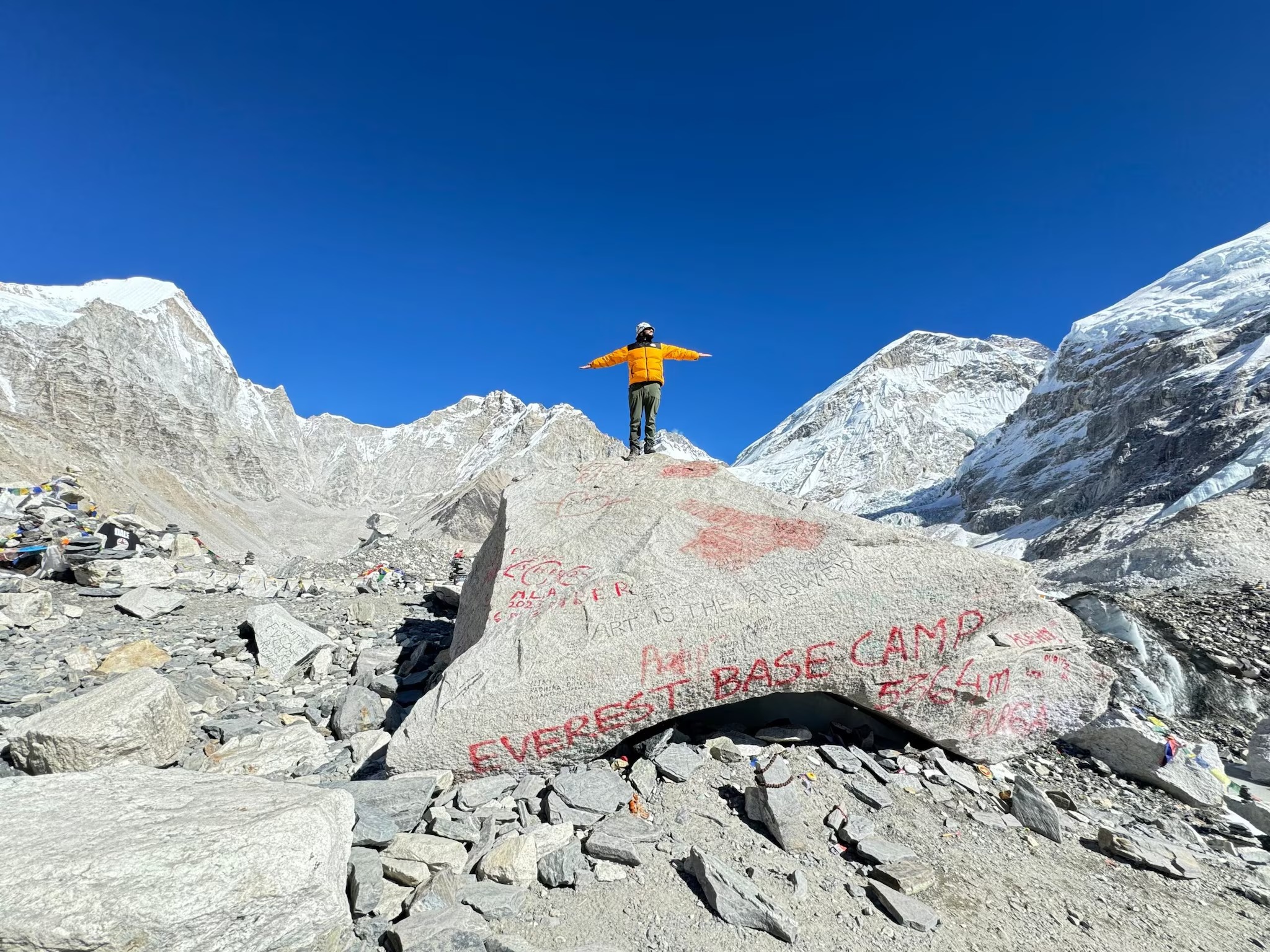
The Everest Base Camp trek remains one of the most recognisable Himalayan adventures anywhere in the world. The route takes trekkers through the Khumbu region, beginning around Lukla and gradually climbing toward the base camp of Mount Everest.
Namche Bazaar is an important stop along the route and provides an opportunity for acclimatisation before heading higher. The trail then continues through places such as Tengboche, Dingboche, Lobuche, and Gorak Shep before reaching Everest Base Camp.
The journey usually takes around two weeks, depending on the itinerary and acclimatisation schedule. Views of Everest, Lhotse, Ama Dablam, and other Himalayan giants make almost every section memorable.
The climb to Kala Patthar is another highlight for many trekkers. From this viewpoint, the surrounding mountains create an extraordinary high-altitude panorama.
2. Annapurna Circuit Trek
The Annapurna Circuit is perfect for travellers who want changing landscapes rather than one single mountain view. The route moves through forests, valleys, mountain settlements, high-altitude terrain, and a striking Himalayan desert environment.
One of its biggest challenges is Thorong La, a mountain pass reaching approximately 5,416 metres. The trail also provides impressive views of several Himalayan peaks, including Annapurna and Dhaulagiri.
Another fascinating part of this trek is the cultural variety found along the way. Gurung, Magar, Thakali, and other communities add a strong local character to the journey.
The Annapurna region is also well supported with teahouses, lodges, and other accommodation options along many established routes. This makes the trek attractive for travellers who want a challenging adventure without completely giving up basic comforts.
3. Annapurna Base Camp Trek
For travellers with limited time, Annapurna Base Camp can be an excellent Himalayan choice. The trek combines mountain scenery, traditional villages, forests, and high-altitude landscapes within a comparatively compact itinerary.
The trail commonly passes through Ghandruk, Chhomrong, Bamboo, Deurali, and Machapuchare Base Camp before reaching Annapurna Base Camp. Nepal’s government tourism itinerary places Annapurna Base Camp at around 4,130 metres.
The final approach feels especially rewarding because huge mountain walls gradually surround the trail. Annapurna South, Machapuchare, Hiunchuli, and other peaks dominate the landscape.
This trek is also popular because it offers a strong combination of scenery and cultural experiences. Mountain villages along the route allow visitors to experience traditional Himalayan life instead of simply walking between viewpoints.
4. Langtang Valley Trek
Langtang Valley is a great option for travellers who want Himalayan scenery without choosing one of Nepal’s longest classic routes. Its relative proximity to Kathmandu also makes it attractive for people working with a shorter travel schedule.
The trail travels through forests, traditional settlements, alpine landscapes, and areas influenced strongly by Tibetan and Tamang culture. The higher sections provide impressive views of surrounding Himalayan peaks.
Langtang also offers something different from the heavily photographed Everest region. The atmosphere can feel quieter, allowing trekkers to spend more time observing villages and landscapes instead of constantly following crowded trails.
The Langtang region includes several recognised trekking routes, including Langtang Valley and Langtang Gosaikund routes. Current Nepal Tourism Board guidance lists Langtang trekking routes among those where guide and TIMS requirements apply.
5. Mardi Himal Trek
Mardi Himal has become a favourite among travellers looking for spectacular mountain views within a shorter itinerary. The trail is located in the Annapurna region and can be approached from Pokhara.
The route passes through Pothana, Forest Camp, Low Camp, and High Camp before reaching Mardi Himal Base Camp. The official Nepal tourism itinerary places the base camp at approximately 4,450 metres.
The changing scenery makes this trek particularly enjoyable. Lower sections move through forests and green hills, while higher sections open into dramatic mountain landscapes.
Clear weather can reveal impressive views toward Machapuchare and the surrounding Annapurna range. Because the trek is comparatively short, it can work well for travellers who want a Himalayan experience without committing several weeks.
6. Manaslu Circuit Trek
The Manaslu Circuit is an excellent choice for experienced trekkers searching for something more remote. The route circles Mount Manaslu and gradually moves from green river valleys toward rugged high-altitude terrain.
Villages such as Maccha Khola, Jagat, Namrung, Lho, and Sama Gaun appear along the journey. The route eventually crosses Larkya Pass before descending toward lower elevations.
The scenery changes dramatically throughout the trek. Dense forests give way to rocky landscapes, traditional mountain settlements, glaciers, and enormous Himalayan peaks.
Manaslu also has stricter trekking requirements than many ordinary hiking routes. Nepal Tourism Board information lists the Manaslu Circuit among routes requiring a licensed guide and trekking agency-issued TIMS card.
That extra planning is important, especially for travellers attempting the route for the first time.
7. Upper Mustang Trek
Upper Mustang feels completely different from the greener Himalayan trekking routes. The landscape has strong Tibetan influences, with dry mountains, cliffs, caves, ancient settlements, and wide barren valleys.
Lo Manthang, the historic walled settlement and former capital of Mustang, is one of the biggest attractions on this journey. The region has retained a distinctive cultural character developed over centuries.
Upper Mustang sits within the Himalayan rain-shadow region, meaning trekking can remain possible during parts of the monsoon season when many other Nepal routes receive heavy rainfall.
However, this is a restricted trekking region. Travellers need a special permit and must follow specific government requirements before entering the area.
For people interested in culture as much as scenery, Upper Mustang can be an unforgettable experience.
8. Gokyo Lakes Trek
The Gokyo Lakes trek offers a different way to experience the Everest region. Instead of simply following the classic route toward Everest Base Camp, trekkers travel toward a spectacular collection of high-altitude turquoise lakes.
The surrounding landscape combines glaciers, enormous peaks, mountain valleys, and traditional Sherpa settlements. Gokyo also provides an opportunity to experience the Everest region while exploring a route with its own distinctive character.
The trek requires serious preparation because altitude becomes a major factor as the route climbs higher. Acclimatisation should therefore remain a priority rather than something squeezed into the itinerary.
For experienced trekkers, Gokyo can also be combined with more demanding routes across high mountain passes. Nepal Tourism Board currently lists Gokyo and several related Everest-region routes among those covered by its guide and TIMS requirements.
When Should You Plan Nepal Treks?
Timing can make a huge difference to the trekking experience. Spring and autumn are generally among the most popular periods because mountain visibility is often better and conditions are more suitable across many established routes.
March through May brings spring conditions, blooming vegetation, and generally favourable trekking weather. September through November is another popular period after the main monsoon season.
Winter can bring snow and very cold conditions at higher elevations, while monsoon rainfall can affect several trekking regions. Upper Mustang is a notable exception because its rain-shadow location can make it more suitable during the monsoon period.
Before booking, travellers should always check current weather conditions, permits, trail conditions, and local trekking requirements.
What Should Trekkers Prepare?
Good preparation matters more than expensive equipment. Comfortable trekking shoes, layered clothing, waterproof protection, a warm sleeping arrangement, sunscreen, sunglasses, a reusable water bottle, and a reliable backpack are useful basics.
Altitude deserves even more attention. Routes reaching several thousand metres should be approached gradually, with proper acclimatisation days included in the itinerary.
Travellers should also check whether their chosen route requires a licensed guide, TIMS card, conservation-area permit, or restricted-area permit. Current Nepal Tourism Board guidance specifically states that several major trekking routes require trekkers to travel with a licensed guide and carry a trekking-agency-issued TIMS card.
It is also sensible to carry travel insurance that covers high-altitude trekking where applicable.
Choose The Trek That Fits
There is no single best trek in Nepal for every traveller. Everest Base Camp suits those chasing a legendary Himalayan goal, while Annapurna offers remarkable landscape variety and cultural encounters.
Mardi Himal works well for shorter adventures, whereas Manaslu appeals to people seeking a more remote experience. Upper Mustang stands apart through its unusual landscapes and deep cultural character.
Whatever route you choose, Nepal rewards patience. The mountains are impressive, but the small villages, changing landscapes, local traditions, quiet mornings, and long walking days often become equally important memories.
For anyone dreaming about a Himalayan adventure, these eight routes offer plenty of reasons to start planning. Choose according to your fitness, available time, experience, and comfort with altitude, then prepare properly before setting foot on the trail. A well-planned trek can turn a simple holiday into one of the most unforgettable journeys of your life.
Read More :-