Writing is one of the most important skills students need for academic success, professional growth, and effective communication. Whether preparing assignments, research papers, exams, presentations, or future workplace documents, strong writing skills help students express their ideas clearly and confidently.
Improving writing skills is not only about using advanced vocabulary or perfect grammar. Good writing requires clear thinking, proper organization, research ability, creativity, and regular practice. Many students struggle with writing because they focus only on the final result instead of developing a consistent writing process.
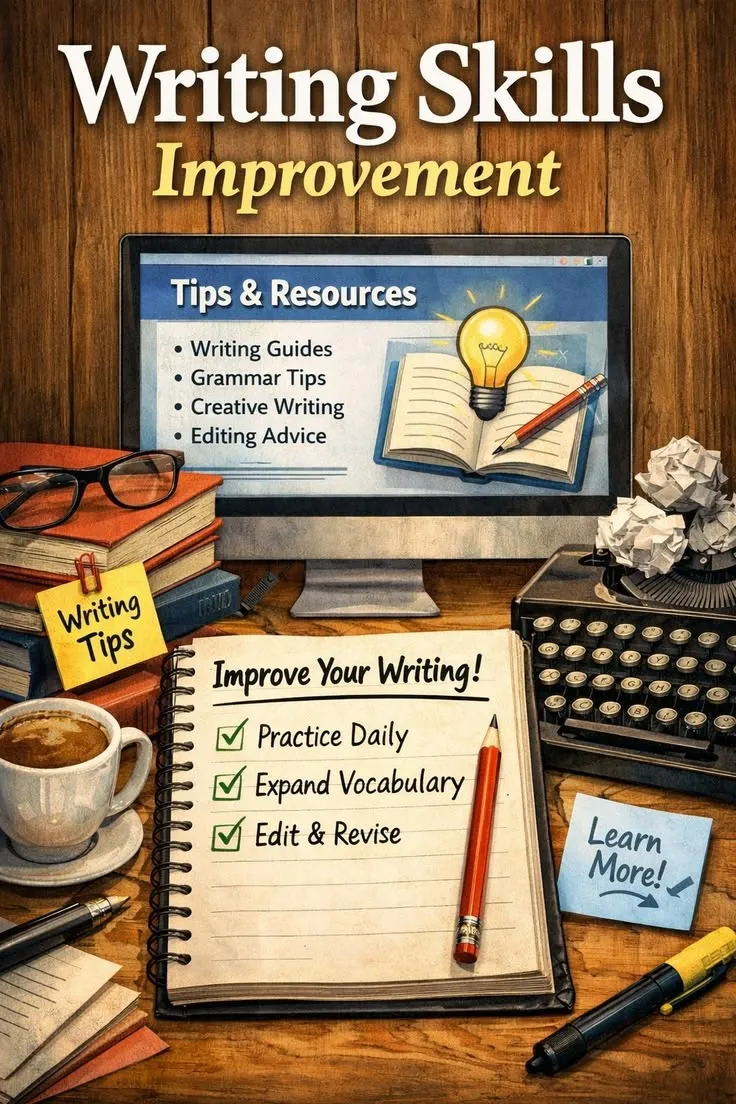
By building simple habits such as reading regularly, practicing writing, improving grammar, organizing thoughts, and learning from feedback, students can gradually become better writers. Strong writing skills develop over time through continuous learning and improvement.
Understand the Basics of Good Writing
Before improving writing skills, students should understand what makes writing effective. Good writing communicates ideas clearly, maintains proper structure, and keeps readers interested.
A strong piece of writing usually includes a clear introduction, organized body paragraphs, and a meaningful conclusion. Each paragraph should focus on one main idea and connect naturally with the next point.
Students should also understand the purpose and audience of their writing. Academic writing, creative writing, and professional writing may require different styles and approaches.
Understanding these basic principles creates a strong foundation for becoming a better writer.
Read Regularly to Improve Writing Ability
Reading is one of the most effective ways to improve writing skills. Students who read different types of content naturally learn sentence structures, vocabulary, writing styles, and methods of presenting ideas.
Reading books, articles, essays, newspapers, and educational materials exposes students to different writing techniques.
While reading, students should pay attention to how authors organize information, introduce topics, explain concepts, and create engaging content.
Regular reading also improves knowledge, which helps students develop stronger ideas and write with more confidence.
Practice Writing Every Day
Writing is a skill that improves through consistent practice. Students cannot become better writers by only studying writing rules; they need regular writing experience.
Daily writing practice can include maintaining a journal, writing summaries, creating short essays, or explaining concepts in their own words.
Regular practice helps students improve sentence formation, develop their writing style, and become more comfortable expressing ideas.
Even writing for a few minutes each day can create noticeable improvement over time.
Improve Grammar and Vocabulary
Grammar provides the structure that makes writing clear and understandable. Students should learn basic grammar rules, including sentence formation, punctuation, verb usage, and paragraph structure.
A strong vocabulary also helps students express ideas more accurately. However, using complicated words unnecessarily can make writing difficult to understand.
The goal should be using simple, clear, and appropriate language.
Students can improve vocabulary by learning new words through reading, understanding their meanings, and practicing them in sentences.
Plan Before Starting Writing
Many students begin writing without organizing their thoughts, which can lead to unclear ideas and weak structure.
Planning before writing helps create a logical flow of information. Students can start by identifying the topic, collecting important points, and arranging ideas in a proper order.
Creating an outline before writing makes the process easier and helps avoid repetition.
A well-planned structure allows students to present their ideas more effectively.
Focus on Clear and Simple Communication
Effective writing is about communicating ideas clearly. Students should avoid using unnecessary complex sentences that may confuse readers.
Simple and direct language often creates stronger writing because readers can easily understand the message.
Each sentence should have a clear purpose. Removing unnecessary words and improving sentence flow can make writing more professional.
Clear communication is especially important in academic and professional environments.
Learn How to Write Strong Paragraphs
Paragraph structure plays an important role in writing quality. A good paragraph usually begins with a main idea, followed by supporting explanations and examples.
Students should avoid writing very long paragraphs containing multiple unrelated ideas.
Using proper paragraph breaks improves readability and helps readers follow the information easily.
Developing strong paragraph-writing skills improves overall writing performance.
Develop Research and Critical Thinking Skills
Good writing often requires research and analysis. Students need to collect reliable information, understand different viewpoints, and organize facts effectively.
Research skills help students create informative and meaningful content instead of writing only general statements.
Critical thinking allows students to analyze information, develop opinions, and present logical arguments.
These skills are especially important for essays, reports, and academic projects.
Improve Writing Through Feedback
Feedback is an important part of the writing improvement process. Students can learn from teachers, classmates, mentors, or writing groups.
Constructive feedback helps identify mistakes, improve clarity, and strengthen writing techniques.
Students should not view corrections negatively. Instead, feedback should be considered an opportunity to learn and improve.
Reviewing previous writing and understanding common mistakes can help students avoid repeating errors.
Edit and Proofread Before Submission
Many writing mistakes can be corrected through proper editing and proofreading. Students should always review their work before submitting assignments or publishing content.
During proofreading, students should check grammar, spelling, punctuation, sentence structure, and overall clarity.
Reading the content slowly or reviewing it after a short break can help identify mistakes more effectively.
Editing improves the quality and professionalism of writing.
Improve Time Management for Writing Tasks
Many students struggle with writing because they start assignments at the last moment. Good time management allows enough time for research, writing, editing, and improvement.
Breaking large writing projects into smaller steps makes them easier to complete.
Students can create a schedule that includes time for planning, drafting, reviewing, and final preparation.
Managing time effectively reduces stress and improves writing quality.
Use Technology as a Learning Tool
Technology provides many resources that can support writing improvement. Students can use digital tools for grammar checking, vocabulary development, research organization, and writing practice.
However, technology should support learning rather than replace personal effort.
Students should understand their mistakes and learn writing concepts instead of depending completely on automated tools.
Using technology responsibly can make the writing process more efficient.
Develop Confidence Through Continuous Improvement
Many students avoid writing because they fear making mistakes. However, mistakes are a natural part of learning.
Confidence grows when students continue practicing and recognize their improvement.
Instead of trying to create perfect writing immediately, students should focus on progress and learning.
Every writing attempt provides an opportunity to develop better skills.
Common Writing Mistakes Students Should Avoid
Students often make mistakes such as poor organization, unclear arguments, excessive repetition, weak introductions, and ignoring proofreading.
Another common mistake is writing without considering the target audience or purpose.
Understanding these challenges helps students become more careful writers.
Improving writing requires awareness, practice, and willingness to make changes.
Frequently Asked Questions (FAQs)
How can students improve writing skills quickly?
Students can improve writing skills by practicing regularly, reading more, learning grammar basics, organizing ideas, and accepting feedback.
Is reading important for improving writing?
Yes, reading helps students learn vocabulary, sentence structure, writing styles, and different ways of presenting ideas.
How often should students practice writing?
Regular practice is important. Writing a little every day can gradually improve confidence and ability.
Conclusion
Improving writing skills is a continuous process that requires practice, patience, and dedication. Students can become better writers by developing strong reading habits, practicing regularly, improving grammar, organizing ideas, and learning from feedback.
Good writing is not about using difficult words or creating complicated sentences. It is about communicating ideas clearly and effectively.
With consistent effort and the right approach, students can develop strong writing abilities that support academic achievement, career growth, and lifelong communication skills.