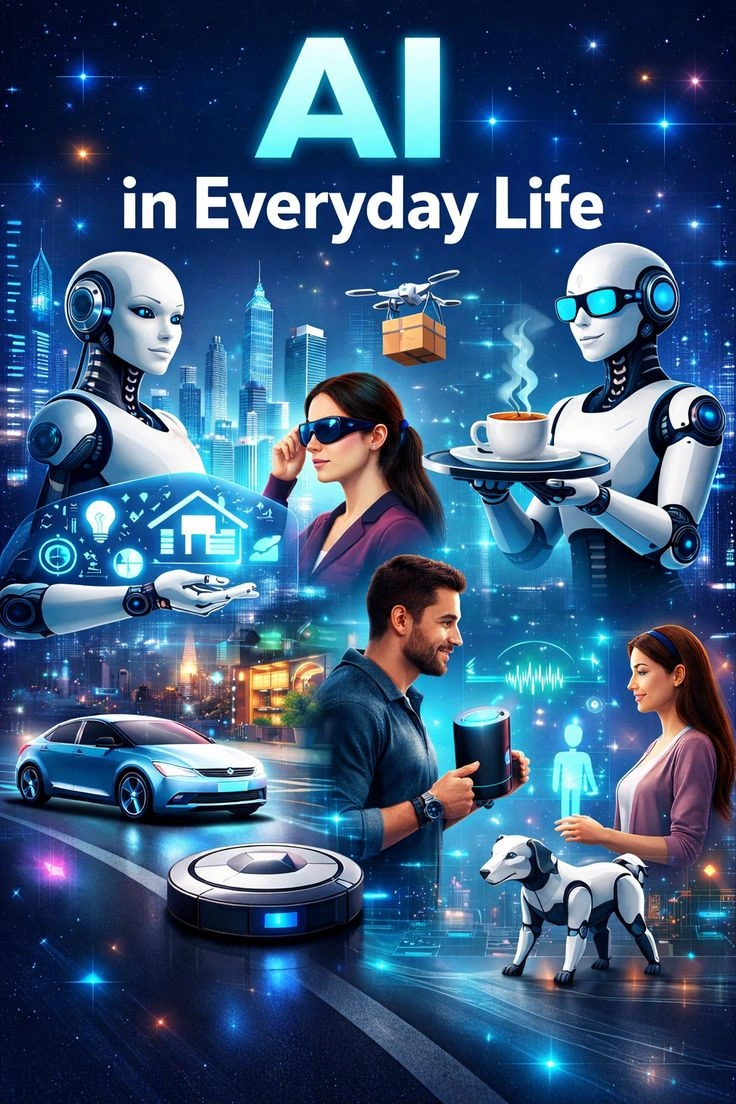
Artificial Intelligence has moved from being a futuristic concept to an invisible yet powerful force shaping everyday experiences. By 2026, AI is no longer limited to specialized industries — it has become deeply integrated into ordinary routines, making life more convenient, efficient, personalized, and safer for millions of people worldwide. From the moment we wake up to the time we go to bed, AI quietly works in the background, enhancing decision-making, automating tasks, and offering insights that were unimaginable just a few years ago.
Morning Routines Transformed
The day begins with AI-powered smart assistants that have evolved significantly. Voice-activated systems now anticipate needs rather than just responding to commands. Your AI assistant can analyze your sleep data from wearable devices, check your calendar, review traffic conditions, and suggest the optimal wake-up time. It prepares personalized morning briefings that include weather updates, news summaries tailored to your interests, and even suggests a balanced breakfast based on your dietary preferences and health goals.
Smart kitchens have become remarkably intuitive. AI-powered refrigerators track inventory, suggest recipes based on available ingredients, and create shopping lists. Coffee machines and smart ovens learn your preferences over time and prepare meals with minimal human input. For busy professionals and parents, these technologies save precious morning minutes while promoting healthier eating habits.
AI in Health and Wellness
One of the most profound changes is in personal healthcare. AI-powered wearables continuously monitor vital signs, sleep patterns, stress levels, and physical activity. These devices can detect early warning signs of potential health issues — such as irregular heart rhythms or declining metabolic health — and suggest preventive actions or alert medical professionals when necessary.
Virtual health assistants provide instant answers to medical queries, schedule appointments, and even offer basic mental health support through conversational interfaces. Personalized fitness coaches adapt workout routines in real-time based on your energy levels, recovery status, and goals. Nutrition apps use AI to create meal plans that consider your genetics, lifestyle, and current health metrics, making wellness more accessible and individualized than ever before.
Transportation and Mobility
Commutes have become significantly smarter. AI-powered navigation systems predict traffic patterns with remarkable accuracy and suggest optimal routes. Ride-sharing services use sophisticated algorithms to reduce wait times and match passengers efficiently. In many cities, autonomous vehicles are becoming more common for both personal and public transportation, offering safer and more relaxed journeys.
Public transport systems use AI to optimize schedules, reduce energy consumption, and improve passenger experience. Smart parking solutions help drivers find available spots instantly, reducing frustration and unnecessary fuel consumption.
Work and Productivity
In professional environments, AI has revolutionized how people work. Intelligent email assistants sort through messages, draft responses, and highlight priorities. Meeting tools automatically transcribe conversations, identify action items, and schedule follow-ups. AI writing assistants help professionals create reports, presentations, and marketing content faster while maintaining quality.
For creative professionals, AI tools generate ideas, suggest improvements, and handle repetitive tasks, allowing humans to focus on strategic and innovative work. Remote collaboration has improved dramatically with AI-powered translation, real-time note-taking, and virtual meeting enhancements that make global teamwork seamless.
Education and Learning
Students and lifelong learners benefit immensely from AI personalization. Adaptive learning platforms assess individual strengths and weaknesses, creating customized study paths that adjust in real-time. AI tutors provide 24/7 support, explaining complex concepts in multiple ways until understanding is achieved.
Language learning apps use conversational AI to simulate real interactions, while career guidance systems analyze market trends and personal aptitudes to suggest suitable educational and professional paths. Teachers use AI to automate administrative tasks, allowing them to focus more on mentoring and personalized student support.
Entertainment and Lifestyle
Entertainment has become remarkably personalized. Streaming platforms use sophisticated recommendation engines that understand not just viewing history but also mood, time of day, and even current events to suggest content. AI-generated music, art, and stories offer new forms of creative expression.
Smart home systems learn daily routines and adjust lighting, temperature, and entertainment options automatically. Virtual interior designers suggest room layouts and color schemes, while AI shopping assistants help find products that match personal style and budget preferences.
Challenges and Responsible Use
While the benefits are substantial, the integration of AI into daily life also brings important considerations. Privacy remains a key concern as these systems collect vast amounts of personal data. Digital wellbeing has become crucial, with many people setting boundaries around AI usage to maintain human connections and mental health.
There is also growing awareness about algorithmic bias and the importance of transparent AI systems. Responsible consumption of AI tools — understanding their limitations while leveraging their strengths — has become an essential skill for modern living.
The Human Touch in an AI World
Despite AI’s remarkable capabilities, the most fulfilling experiences still come from human connection, creativity, and emotion. The technology works best when it enhances rather than replaces these fundamental aspects of life. Many people are learning to use AI as a powerful assistant while preserving time for meaningful relationships, creative pursuits, and personal reflection.
As AI continues to evolve, its role in daily life will likely become even more seamless and intuitive. The key to benefiting from these changes lies in mindful adoption — embracing tools that improve efficiency and wellbeing while maintaining control over how technology shapes our experiences.
In 2026, Artificial Intelligence is not just changing how we do things — it is fundamentally improving the quality, convenience, and possibilities of everyday life. By understanding and thoughtfully integrating these technologies, individuals can navigate the modern world with greater ease, creativity, and balance.
The future is already here, woven into the fabric of our daily routines. Those who learn to work alongside AI intelligently will likely find themselves better equipped to thrive in this exciting new era of human-machine collaboration.
Read more – trendopr.com