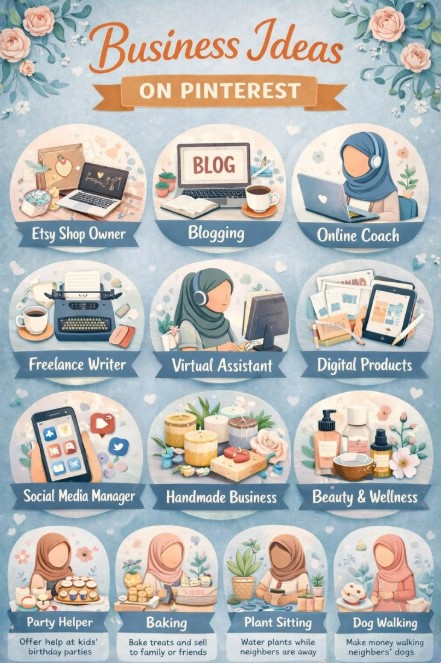
Starting a business in India in 2026 has never been more accessible. With digital tools, changing consumer habits, and government support for entrepreneurship, beginners can launch ventures with minimal capital. Low-investment businesses allow aspiring entrepreneurs to test ideas, learn from the market, and scale gradually while managing financial risk. These ideas require creativity, consistency, and basic digital literacy rather than heavy funding.
Here are 10 practical, low-investment business ideas that show strong potential in the current Indian economy.
1. Dropshipping E-commerce Store
Dropshipping remains one of the most popular low-investment models. You create an online store and sell products without holding inventory. When a customer orders, the supplier ships directly to them.
Focus on niche products like eco-friendly home goods, fitness accessories, or regional handicrafts. Use platforms like Shopify or Meesho to set up quickly. Initial investment is mainly for website setup, marketing, and basic branding (under ₹50,000). Success depends on smart product selection, targeted social media ads, and excellent customer service. Many beginners earn ₹30,000–₹1 lakh monthly within 6–12 months.
2. Content Creation and Monetization
With the creator economy booming, starting a YouTube channel, Instagram page, or blog is an excellent low-cost option. Choose a niche you’re passionate about — cooking, tech reviews, personal finance, or regional culture.
Begin with a smartphone for recording and free editing tools. Monetize through ads, sponsorships, affiliate marketing, and digital products. Consistency in posting and audience engagement are key. Many creators in 2026 earn significant income through multiple revenue streams once they cross 10,000–50,000 followers.
3. Home-Based Tiffin Service
The demand for healthy, homemade food remains strong in urban areas. Starting a tiffin service from home requires minimal investment — primarily kitchen equipment, packaging, and marketing.
Focus on office workers, students, and working professionals by offering nutritious, affordable meals with regional or diet-specific options (e.g., diabetic-friendly or weight-loss meals). Build trust through hygiene standards and timely delivery. Beginners can start with 20–30 customers and scale to ₹50,000–₹1.5 lakh monthly revenue with good reputation.
4. Online Tutoring and Skill Coaching
Education technology continues to grow. If you excel in academics, languages, music, or professional skills (digital marketing, Excel, coding), online tutoring is ideal.
Platforms allow easy scheduling and payment. Investment is mainly in a good webcam, microphone, and basic marketing. Specialized coaching in competitive exam preparation, spoken English, or career guidance commands premium rates. Many tutors earn ₹40,000–₹2 lakh monthly working part-time from home.
5. Affiliate Marketing
Affiliate marketing involves promoting products and earning commissions on sales. You can start a blog, YouTube channel, or Instagram page focused on product reviews and recommendations.
Popular niches include gadgets, fashion, beauty, and financial products. Join affiliate programs from Amazon, Flipkart, or other networks. No inventory or customer service is needed. With consistent content and audience building, affiliates can generate passive income ranging from ₹20,000 to several lakhs monthly.

6. Handmade Products and Reselling
Crafting and selling handmade items like candles, jewelry, personalized gifts, or organic skincare has strong demand. Source materials locally and sell through Instagram, WhatsApp groups, or marketplaces.
Alternatively, resell trending products like reusable items, fitness gear, or regional specialties. Investment stays low (₹20,000–₹50,000) for initial stock and packaging. Building a loyal customer base through quality and storytelling leads to sustainable profits.
7. Virtual Assistant Services
Many small businesses and entrepreneurs need help with administrative tasks. As a virtual assistant, you can offer services like email management, social media handling, scheduling, or data entry.
This requires only a computer, internet, and organizational skills. Beginners can start with Indian clients and gradually expand. Rates range from ₹300–₹800 per hour, with full-time virtual assistants earning ₹40,000–₹1 lakh monthly.
8. Fitness and Wellness Coaching
With rising health awareness, online fitness coaching, yoga instruction, or nutrition guidance is in demand. If you have expertise or certification, offer personalized plans via video calls or apps.
Low investment is needed — mainly marketing and basic equipment. Group classes or recorded programs can scale income effectively. Many coaches earn well by combining one-on-one sessions with digital products like workout plans.
9. Event Planning for Small Gatherings
Small-scale event planning for birthdays, anniversaries, corporate meetups, or webinars requires creativity and networking rather than big capital. Start locally and build a portfolio through word-of-mouth.
Focus on theme decoration, vendor coordination, and virtual event management. This business scales well with experience and can generate ₹50,000–₹2 lakh per event depending on size.
10. Digital Product Creation
Create and sell digital products like e-books, online courses, templates, planners, or stock photos. Once created, they can be sold repeatedly with minimal ongoing costs.
Platforms make selling easy. Topics like skill development, recipes, or productivity tools perform well. Successful creators earn passive income while building authority in their niche.
Success Strategies for Low-Investment Businesses
- Start Small and Validate: Test your idea with a minimum viable product before scaling.
- Leverage Digital Marketing: Use free or low-cost social media and WhatsApp Business for customer acquisition.
- Focus on Niche Markets: Specializing helps stand out and build loyal customers.
- Maintain Financial Discipline: Track expenses carefully and reinvest profits wisely.
- Continuous Learning: Stay updated with market trends and customer preferences.
- Build Trust: Deliver consistent quality and excellent service to generate referrals.
Challenges and Realistic Expectations
Low-investment businesses require time, effort, and patience. Initial months may show slow growth. Expect challenges like competition and customer acquisition. Success usually comes after 6–18 months of consistent work.
The Indian government’s initiatives supporting startups and self-employment, combined with digital infrastructure, create a favorable environment for beginners in 2026. With determination and smart execution, these ideas can evolve into sustainable, profitable ventures.
Starting a business with low investment is not just about making money — it’s about gaining independence, learning valuable skills, and creating something meaningful. Choose an idea that aligns with your interests and skills, stay persistent, and focus on solving real customer problems. The entrepreneurial journey in India offers tremendous opportunities for those willing to start small and think big.
Read more – trendiopr.com