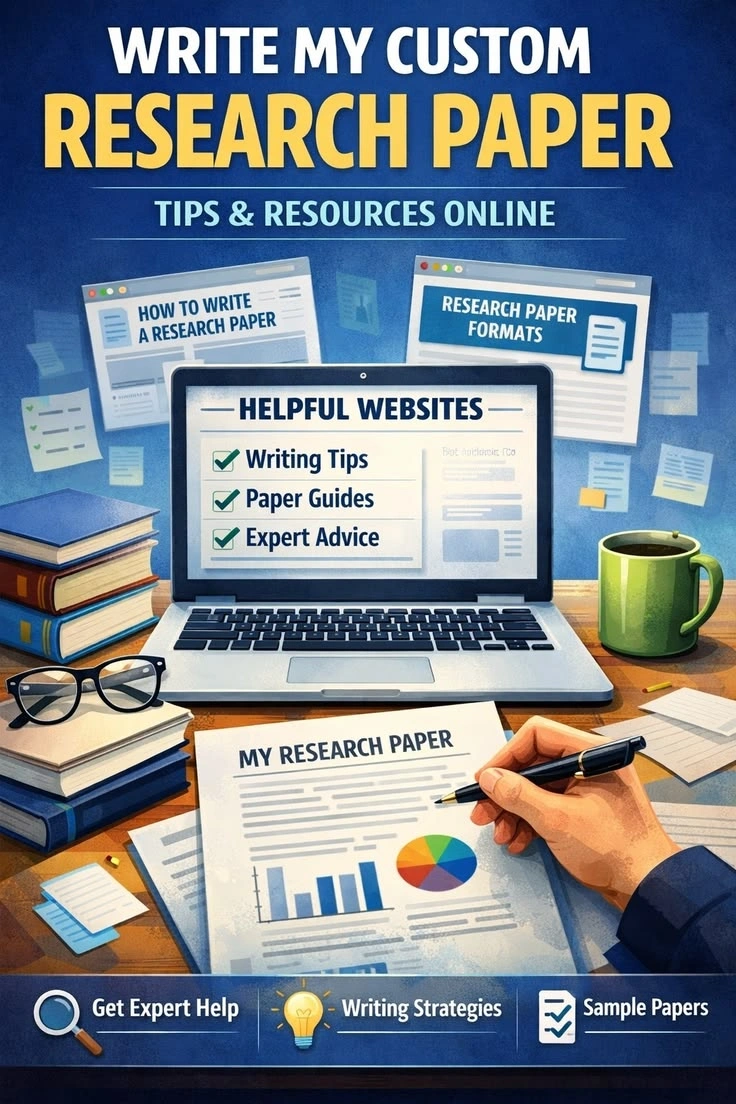
Writing a research paper can feel overwhelming for beginners, but it is a learnable skill that improves with practice and a structured approach. Whether you are a college student working on your first assignment or someone exploring academic writing, this guide provides a clear, step-by-step process to help you produce a well-organized, credible, and impactful research paper.
Step 1: Choose a Suitable Topic
The foundation of every strong research paper is a focused, interesting topic. Start by identifying your field of study and considering current issues, gaps in existing knowledge, or questions that genuinely interest you. A good topic should be specific enough to cover thoroughly within the given word limit but broad enough to find sufficient sources.
For example, instead of choosing “Climate Change,” narrow it to “The Impact of Climate Change on Coastal Agriculture in India.” Consult your professor or supervisor for approval and feasibility. Ensure the topic has enough credible sources available while aligning with your assignment requirements.
Step 2: Conduct Thorough Research
Once your topic is finalized, dive into research. Begin with reliable sources such as academic journals, books, government publications, and reputable websites. Take detailed notes while reading, recording key findings, statistics, and quotations along with their sources.
Organize your research using digital tools or note cards. Separate facts, opinions, and statistics clearly. Aim for a balance of primary sources (original research, interviews, surveys) and secondary sources (analysis and reviews). Keep track of all references from the beginning to avoid problems during citation later.
Step 3: Develop a Strong Thesis Statement
The thesis statement is the central argument of your paper. It should be clear, concise, and specific, usually appearing at the end of your introduction. A strong thesis tells the reader what the paper will prove or discuss.
Example: “Renewable energy adoption in rural India can significantly reduce carbon emissions while improving economic conditions for farmers.”
Your thesis should be debatable, supported by evidence, and guide the entire structure of your paper. Refine it as your research progresses if needed.
Step 4: Create a Detailed Outline
An outline serves as a roadmap for your paper. Organize your thoughts logically before writing the full draft. A typical structure includes:
-
Introduction: Background information, importance of the topic, and thesis statement.
-
Body Paragraphs: Main arguments divided into logical sections with supporting evidence.
-
Counterarguments (if applicable): Address opposing views and refute them.
-
Conclusion: Summarize key points and discuss implications or future research directions.
Use Roman numerals for main sections and letters or numbers for sub-points. This framework keeps your writing focused and prevents unnecessary tangents.
Step 5: Write the First Draft
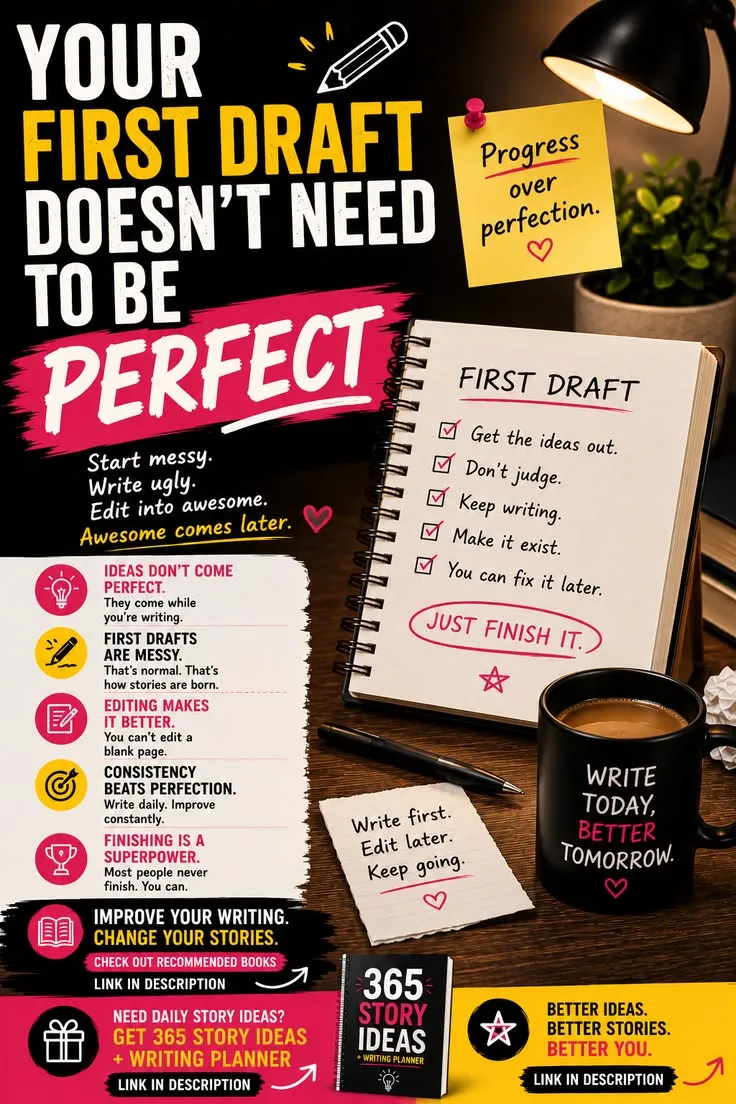
Begin writing without worrying about perfection. Start with the body paragraphs since they contain your main arguments, then write the introduction and conclusion.
Maintain an academic tone — formal, objective, and precise. Support every claim with evidence from your research and explain how it connects to your thesis. Use transitional phrases to ensure smooth flow between paragraphs. Aim to write the full draft in one or two sittings if possible, then take a short break before revising.
Step 6: Revise and Edit Thoroughly
Revision is where good papers become excellent. After completing your first draft, set it aside for at least 24 hours. Then review it with fresh eyes for:
-
Content: Does it fully support the thesis? Are arguments logical and well-supported?
-
Structure: Is the organization clear and coherent?
-
Clarity: Are ideas expressed precisely without unnecessary jargon?
-
Grammar and Style: Check for spelling, punctuation, sentence variety, and flow.
Read your paper aloud to catch awkward phrasing. Consider asking a friend or mentor for feedback. Multiple rounds of revision are normal and necessary.
Step 7: Format and Cite Sources Properly
Proper formatting and citation are crucial for academic integrity. Follow the required style guide — commonly APA, MLA, Chicago, or Harvard — as specified by your institution.
Create in-text citations for all paraphrased and quoted material. Prepare a complete reference list or bibliography at the end. Use citation management tools to organize sources efficiently. Pay close attention to formatting details such as font size (usually 12 pt), line spacing (double), and margin settings (1 inch).
Step 8: Final Proofreading and Submission
In the final stage, proofread carefully for any remaining errors. Check that all figures, tables, and appendices (if included) are properly labeled and referenced. Ensure your paper meets all assignment requirements regarding length, formatting, and submission guidelines.
Submit your work before the deadline and keep a backup copy. If allowed, consider presenting your research or publishing it in student journals to gain recognition.
Common Challenges and How to Overcome Them
Many beginners struggle with procrastination, writer’s block, or perfectionism. Combat these by breaking the process into small daily tasks, setting realistic deadlines, and remembering that the first draft doesn’t need to be perfect. Regular writing sessions, even 30–45 minutes daily, build momentum and reduce last-minute stress.
Plagiarism is another major concern. Always paraphrase ideas in your own words and cite sources properly. When in doubt, quote directly with proper attribution.
Benefits of Learning Research Paper Writing
Mastering research paper writing develops critical thinking, analytical skills, and effective communication — abilities valued across professions. It also builds confidence in handling complex information and presenting original ideas clearly.
For students pursuing higher studies or research careers, strong research writing skills are essential. Even for those entering other fields, the discipline of organizing thoughts and supporting arguments translates well into professional reports, proposals, and presentations.
Final Encouragement
Writing your first research paper may feel challenging, but every expert started as a beginner. Approach the process systematically, stay organized, and focus on learning rather than perfection. With consistent effort and these structured steps, you can produce a high-quality research paper that demonstrates your understanding and analytical abilities.
Remember that good research writing is a journey of discovery. Stay curious, remain open to adjusting your arguments based on evidence, and take pride in contributing your perspective to academic conversations. Your first research paper is not just an assignment — it is the beginning of developing a valuable lifelong skill.
Start early, work steadily, and celebrate small milestones along the way. With practice, research paper writing will become more natural and even enjoyable. The skills you develop today will serve you well throughout your academic and professional journey.
Read more – presslyy.com