A New Diplomatic Twist
International politics rarely stays quiet for very long. One diplomatic move often creates another, and countries usually try to turn changing situations into opportunities. Recently, attention shifted toward Pakistan after reports suggested the country is seeking nearly $10 billion in financial and economic support from the United States following its efforts to present itself as a mediator during tensions linked to Iran. Whether every detail of these reports becomes reality or not, the discussion itself has raised many questions across political and economic circles.
Pakistan has faced economic pressure for several years now. Rising inflation, foreign debt, declining foreign exchange reserves, and slow industrial growth have forced the government to search for financial assistance from multiple international partners. At the same time, the Middle East remains one of the most sensitive regions in the world, making any diplomatic role politically valuable.
Why Pakistan Entered the Conversation
Pakistan has traditionally maintained relationships with both Iran and several Gulf nations. That balancing act has never been easy. On one side, Iran shares a long border with Pakistan. On the other side, Gulf countries have provided financial support, employment opportunities for Pakistani workers, and major investments over many decades.
When regional tensions involving Iran increased, Pakistan attempted to present itself as a country willing to encourage dialogue instead of confrontation. Officials emphasized regional stability and peaceful communication rather than military escalation. This diplomatic position naturally attracted international attention because Pakistan has direct security interests in keeping instability away from its western border.
Some analysts believe Islamabad hoped this role would improve its standing with Washington and other Western governments.
Understanding the Reported $10 Billion Request
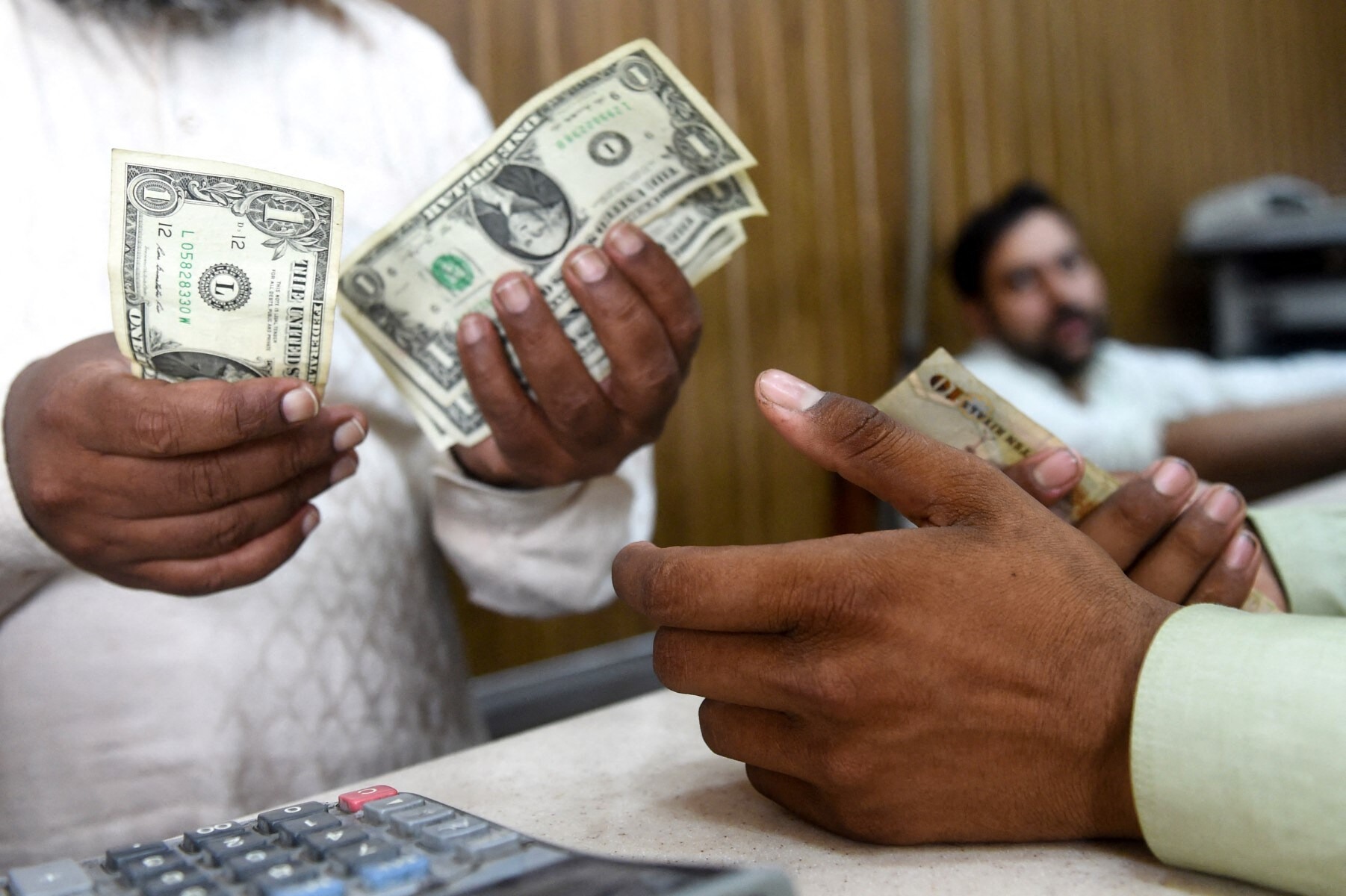
The reported request for around $10 billion has generated significant discussion among economists and foreign policy experts. Although different reports describe the request differently, the suggested package is believed to include several possible forms of assistance instead of one direct cash payment.
Possible areas include economic development funding, infrastructure investment, energy cooperation, security assistance, trade incentives, and financial support through international institutions.
Such requests are not unusual in international diplomacy. Countries frequently connect strategic cooperation with economic partnerships. Governments often argue that political stability cannot exist without stronger economic foundations.
Whether the United States would consider such a large package depends on many political, financial, and strategic calculations.
Pakistan’s Economic Challenges Continue
The country’s economy has experienced repeated periods of instability during recent years. Inflation has reduced household purchasing power while businesses continue facing higher operating costs.
Foreign debt repayments remain another challenge. Pakistan also depends heavily on imports for fuel and several industrial sectors, placing pressure on foreign currency reserves whenever global energy prices rise.
Investment has slowed in some industries because uncertainty discourages long-term business planning. These economic realities explain why Islamabad continues exploring different sources of international financial assistance.
Government officials frequently argue that economic recovery requires partnerships with multiple countries instead of relying on only one financial institution.
America’s Strategic Interests
The United States has maintained a complicated relationship with Pakistan for decades. Cooperation has included counterterrorism efforts, military coordination, humanitarian support, education initiatives, and economic assistance. At different times, disagreements have also shaped the relationship.
Washington generally evaluates foreign assistance by considering several factors together. Regional security, democratic governance, economic reforms, transparency, and broader geopolitical interests all influence funding decisions.
If Pakistan positions itself as a constructive diplomatic partner capable of reducing regional tensions, that may strengthen its argument for increased cooperation. Still, American policymakers usually require measurable commitments before approving large financial packages.
Political approval inside the United States would also play an important role.
Iran’s Position Matters Too
Iran remains an important neighbor for Pakistan despite occasional disagreements over border security and regional politics.
Both countries have worked together on security coordination while also experiencing periods of diplomatic tension. Trade opportunities between them exist but remain limited because international sanctions affect Iran’s economy.
If Pakistan genuinely acts as a communication bridge during periods of regional tension, Tehran would naturally observe whether Islamabad remains balanced or appears closer to one particular international partner.
Maintaining neutrality often becomes one of the hardest parts of mediation.
Regional Reactions Could Be Mixed
Neighboring countries will likely interpret Pakistan’s diplomatic efforts differently.
Some governments may welcome any attempt that reduces military confrontation because conflict creates economic uncertainty throughout the region. Others could question whether mediation is primarily motivated by financial expectations rather than purely diplomatic objectives.
International diplomacy rarely produces unanimous opinions. Every government evaluates another country’s actions according to its own national interests.
That explains why reactions to Pakistan’s reported financial request have varied across analysts and policy observers.
Economic Benefits If Support Arrives
If Pakistan eventually secures a significant financial package from the United States or international partners, several sectors could potentially benefit.
Infrastructure projects might receive additional investment, creating employment opportunities across construction and manufacturing industries. Energy development could reduce electricity shortages affecting businesses.
Financial stability may encourage foreign investors who have delayed expansion because of economic uncertainty. Better access to development funding could also improve transportation networks, digital infrastructure, healthcare services, and education initiatives.
Of course, financial assistance alone cannot solve structural economic problems. Long-term reforms remain essential regardless of external support.
Challenges Facing Any Agreement
Negotiating international financial assistance is rarely straightforward.
The United States generally expects accountability, economic reforms, and transparent implementation before approving substantial aid programs. International lenders also require progress on fiscal management and governance improvements.
Pakistan, meanwhile, must balance domestic political expectations with international conditions attached to financial support.
Citizens often want immediate economic relief, yet reforms usually require time before producing noticeable improvements. That gap between public expectations and economic reality creates political pressure for every government.
The Diplomatic Value of Mediation
Countries sometimes gain influence not because of military strength but because they help prevent conflicts from becoming larger.
Successful mediation can improve international reputation, attract investment, and create new diplomatic partnerships. Even limited diplomatic engagement may strengthen relationships with multiple governments simultaneously.
Pakistan appears interested in presenting itself as a responsible regional actor capable of encouraging communication rather than confrontation.
Whether that image becomes widely accepted depends on future diplomatic developments rather than public statements alone.
What Analysts Are Watching Next
Political observers continue monitoring several important developments.
First, they want confirmation regarding the exact nature of the reported financial request. Second, they are watching Washington’s response carefully for signs of increased engagement.
Third, analysts remain focused on regional security because changing conditions involving Iran could quickly reshape diplomatic priorities.
Finally, economists are examining whether Pakistan introduces additional domestic reforms alongside any request for international assistance. Foreign investment generally increases when governments demonstrate consistent economic planning and policy stability.
These factors together will influence future negotiations far more than headlines alone.
Looking Beyond Immediate Headlines
News involving international diplomacy often changes rapidly because governments continue negotiating behind closed doors.
Reports describing financial requests, mediation efforts, or strategic partnerships should always be viewed within the broader context of evolving diplomatic discussions. Final agreements frequently differ from early media reports as negotiations progress.
Pakistan’s reported effort to combine diplomacy with economic cooperation reflects a strategy many countries have attempted throughout modern international relations. The success of that approach depends not only on diplomatic goodwill but also on economic credibility, political trust, and practical implementation.
Future developments will ultimately determine whether these discussions become meaningful policy changes or remain only temporary diplomatic conversations.
Conclusion
The reports surrounding Pakistan’s reported $10 billion request from the United States following its diplomatic engagement related to Iran have sparked considerable international interest. While the full details remain subject to official confirmation, the story highlights the close connection between diplomacy, economics, and regional security. Pakistan continues searching for ways to strengthen its economy while improving its international standing. At the same time, the United States will carefully evaluate any proposal through strategic, political, and economic considerations. As negotiations and regional events continue to unfold, staying informed through credible reporting remains essential for understanding the real impact of these developments. Follow trusted international news sources for verified updates and deeper analysis as this important geopolitical story continues to evolve.