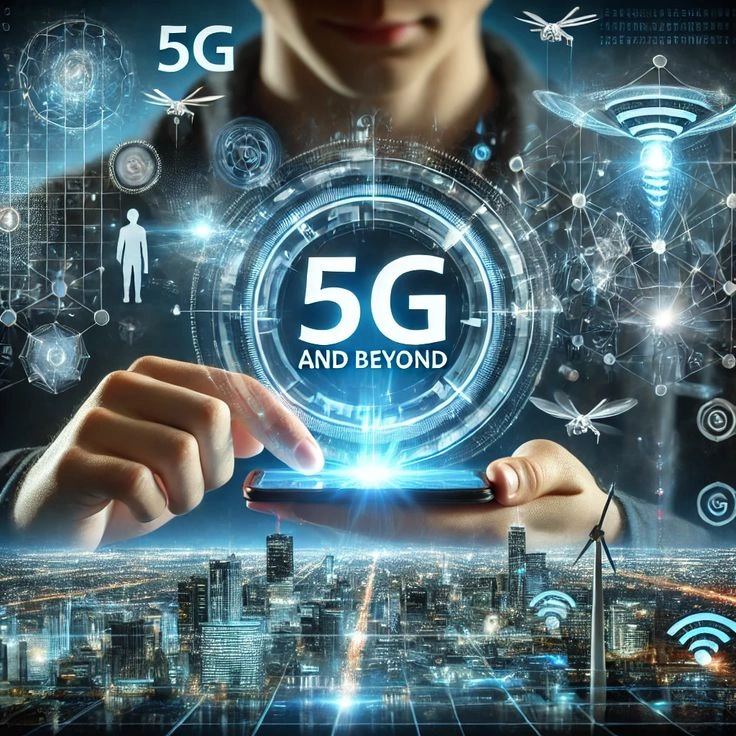
By 2026, 5G technology has moved beyond initial hype to become a foundational element of modern communication networks. With widespread adoption reaching significant coverage across major markets, 5G delivers ultra-fast speeds, near-instantaneous response times, and the ability to connect massive numbers of devices simultaneously. This evolution is transforming how individuals, businesses, and industries interact, enabling seamless real-time experiences that were previously limited or impossible.
Compared to 4G, 5G offers peak speeds up to 10–20 Gbps in ideal conditions—roughly 10 to 100 times faster—while reducing latency to as low as 1 millisecond versus 30–50 milliseconds on previous networks. These improvements support enhanced mobile broadband, ultra-reliable low-latency communication, and massive machine-type communications, powering everything from everyday calls to complex industrial applications.
Key Technical Advantages Driving Change
5G’s superior speed allows for instant downloads of large files, buffer-free 4K and 8K streaming, and high-quality video uploads in seconds. Low latency ensures near-real-time interactions, critical for applications requiring immediate feedback. Higher capacity supports up to a million devices per square kilometer, making dense IoT deployments practical.
These capabilities have shifted communication from basic connectivity to intelligent, responsive systems integrated with edge computing and AI. By 2026, 5G networks emphasize enterprise solutions, private networks, and quality of experience rather than just subscriber numbers.
Impact on Personal and Everyday Communication
Enhanced Mobile Experiences: 5G enables crystal-clear, high-definition video calls with minimal lag, even in crowded areas. Real-time translation during conversations and seamless augmented reality filters have become commonplace, enriching social interactions.
Users enjoy faster access to cloud services, instant sharing of high-resolution media, and smoother multiplayer gaming. Remote family connections feel more natural with lifelike video quality and low delay.
Remote Work and Collaboration: Professionals benefit from lag-free virtual meetings, quick file transfers, and reliable cloud application access. 5G supports immersive virtual reality workspaces and metaverse-style collaboration environments.
This has made hybrid work models more efficient, reducing geographical barriers and enabling real-time team interactions regardless of location.
Transformation in Business and Industry
IoT and Smart Connectivity: 5G connects vast networks of sensors and devices, powering smart factories with real-time automation and monitoring. Industrial processes achieve higher precision through ultra-reliable low-latency links.
Businesses leverage private 5G networks for secure, dedicated operations, improving productivity and reducing downtime.
Healthcare Innovations: Remote diagnostics, robotic surgery, and continuous patient monitoring rely on 5G’s low latency and reliability. Doctors can perform procedures or consultations from afar with minimal delay.
This expands access to quality care, particularly in underserved areas, while enabling real-time data sharing between medical devices.
Broader Societal and Economic Effects
Education and Entertainment: Immersive learning experiences through AR/VR and high-bandwidth content delivery have revolutionized remote education. Entertainment platforms offer personalized, ultra-high-definition streaming without interruptions.
Smart Cities and Infrastructure: 5G supports real-time traffic management, energy optimization, and public safety systems. Connected infrastructure leads to more efficient urban living.
By 2026, global 5G-compatible device penetration has grown substantially, with forecasts showing continued expansion toward the end of the decade.
Challenges and Future Outlook
While 5G brings tremendous benefits, challenges like infrastructure costs, spectrum allocation, and security concerns persist. Energy consumption and coverage gaps in rural areas remain areas for improvement. As networks mature with 5G-Advanced features, integration with emerging 6G concepts is already under discussion.
Overall, 5G in 2026 has fundamentally reshaped communication by making it faster, more reliable, and vastly more connected. It serves as a key enabler for a digital society where real-time interactions and intelligent systems drive innovation across sectors.
The technology continues to evolve, promising even greater integration of communication with AI, edge computing, and sustainable development in the coming years. Its impact extends far beyond faster downloads—it is redefining how humanity connects, works, and lives in an increasingly digital world.
Explanation of Headings and Subheadings
Key Technical Advantages Driving Change
5G stands out with dramatically higher speeds reaching 10–20 Gbps compared to 4G’s typical 100 Mbps peak. Latency drops to around 1 ms, enabling instant responses essential for real-time uses. Massive device connectivity supports dense IoT environments far beyond previous generations. These features combine enhanced broadband, low latency, and machine communications to unlock new possibilities. Edge computing integration processes data closer to users, reducing delays further. By 2026, the focus has shifted toward practical enterprise applications rather than basic consumer speed. This technical foundation underpins all major communication transformations seen today.
Impact on Personal and Everyday Communication
Everyday users experience smoother video calls, instant media sharing, and responsive apps thanks to reduced buffering and lag. High-quality streaming and real-time features like translation enhance daily interactions. Gaming and social platforms feel more immersive with minimal delay. 5G makes remote connections feel present and natural. This section highlights how personal communication has become richer and more reliable. The shift improves accessibility for people in various locations and situations. Overall, it elevates routine digital activities to near-instantaneous experiences.
Transformation in Business and Industry
Businesses use 5G for real-time automation, data analytics, and connected operations that boost efficiency. Private networks provide secure, customized connectivity for factories and offices. Healthcare gains from remote procedures and monitoring with high reliability. This heading covers how industries achieve productivity gains and innovation. Low latency supports critical applications like machinery control. The economic impact includes reduced costs and new service models. 5G acts as infrastructure for digital transformation across sectors.
Broader Societal and Economic Effects
5G influences education through immersive tools, entertainment via high-definition content, and cities with smart management systems. It promotes inclusive growth by improving service access in remote areas. Economic benefits arise from new jobs and efficiencies. This section explores wider ripple effects on society. Sustainability efforts benefit from optimized energy and transport systems. Cultural and social connections strengthen globally. The technology fosters a more connected and intelligent world overall.
Challenges and Future Outlook
Deployment costs, security risks, and uneven coverage present ongoing hurdles despite progress. Energy efficiency and integration with future technologies need attention. By 2026, advancements like 5G-Advanced prepare the ground for next generations. This part balances benefits with realistic limitations. Regulatory and infrastructure issues vary by region. Continuous innovation addresses these gaps. The outlook remains positive as 5G matures into a cornerstone of communication.
Read more – updateprnews.com