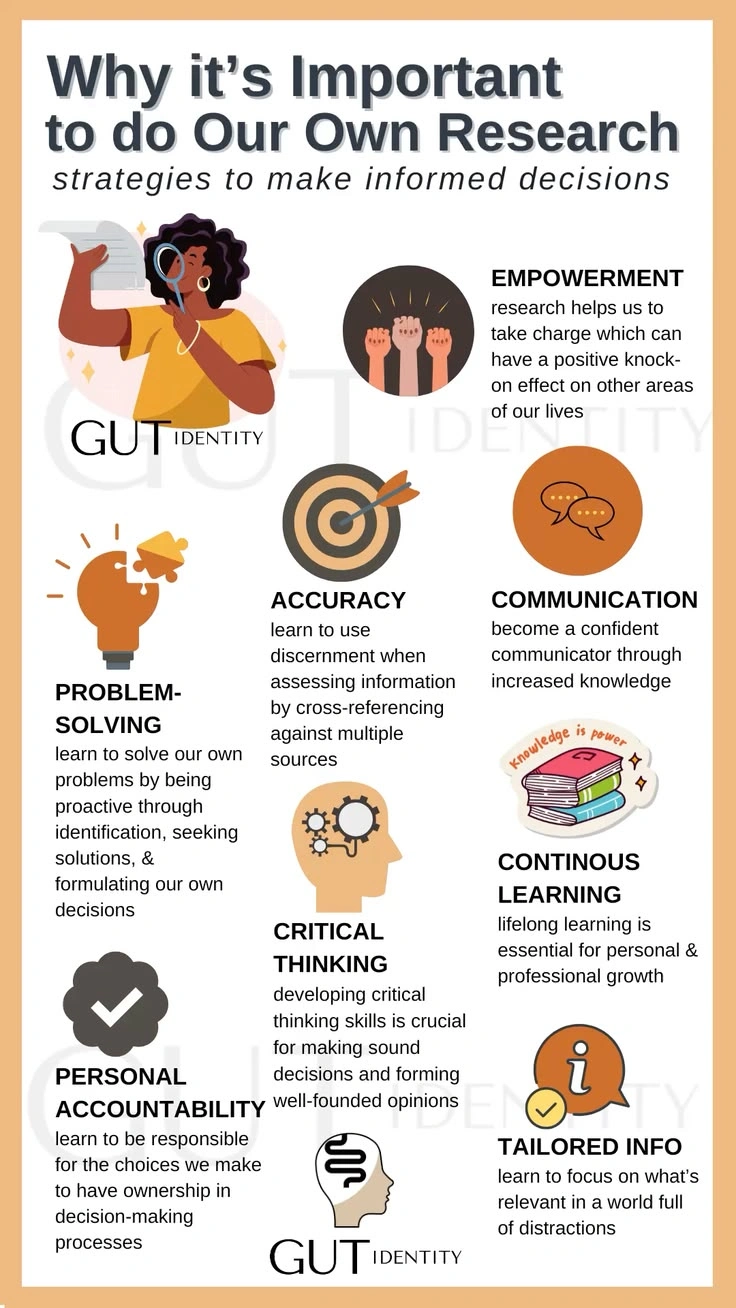
Research forms the backbone of progress in science, business, healthcare, education, and policymaking. It transforms questions into actionable insights by systematically gathering, analyzing, and interpreting data. Selecting the right research method is crucial, as each approach offers unique strengths suited to specific objectives. The primary categories include qualitative, quantitative, and mixed methods, with specialized techniques like case studies enhancing depth. This article explores these methods, their applications, and real-world examples to guide researchers and professionals in choosing effective strategies.
Understanding Qualitative Research
Qualitative research explores the “why” and “how” behind human behaviors, experiences, and phenomena. It relies on non-numerical data such as words, observations, and narratives to uncover deeper meanings and contexts. This approach excels in exploratory studies where flexibility and rich detail matter more than statistical generalization.
Common methods include in-depth interviews, focus groups, participant observation, and ethnography. Interviews allow open-ended conversations that reveal personal insights. Focus groups facilitate group dynamics to explore shared perspectives. Observation captures behaviors in natural settings, while ethnography involves immersive study within a community or culture.
Real-Life Example: In healthcare, researchers studying patient experiences with telehealth conducted in-depth interviews with diverse patients to understand barriers to adoption, such as technological challenges or trust issues. These narratives highlighted emotional and practical hurdles that numbers alone could not reveal, informing improvements in remote care delivery.
Another example comes from education: ethnographers observed classroom dynamics during the shift to remote learning post-2020. By embedding in virtual teams and noting interactions, they uncovered how remote work culture affected engagement and collaboration, providing actionable recommendations for hybrid models.
Qualitative research shines in generating hypotheses and understanding complex social processes, though it requires careful attention to researcher bias and rigorous thematic analysis for validity.
The Power of Quantitative Research
Quantitative research focuses on the “what,” “how much,” and “to what extent” through numerical data and statistical analysis. It tests hypotheses, identifies patterns, and supports generalizable findings, making it ideal for confirmatory studies and measuring variables.
Key methods include surveys with closed-ended questions, experiments, structured observations, and analysis of existing datasets. Surveys gather data from large samples efficiently. Experiments manipulate variables under controlled conditions to establish cause-and-effect. Observational studies track behaviors without intervention.
Real-Life Example: A retail chain used customer satisfaction surveys to assess service quality across stores. By analyzing ratings and preferences from thousands of respondents, they identified that 75% valued faster checkout processes, leading to inventory and staffing adjustments that boosted sales.
In public health, the Oregon Health Insurance Experiment employed a randomized controlled design. Researchers compared health outcomes between those who won a Medicaid lottery and those who did not, providing robust statistical evidence on the program’s impact on access to care and financial security.
Quantitative methods provide objectivity and scalability but may overlook contextual nuances, necessitating clear question design and representative sampling to minimize errors.
Mixed Methods: Combining Strengths for Comprehensive Insights
Mixed methods research integrates qualitative and quantitative approaches, leveraging the depth of the former with the breadth of the latter. This strategy addresses complex problems holistically, validating findings through triangulation and offering a fuller picture than either method alone.
Designs include convergent (parallel data collection), exploratory sequential (qualitative first to inform quantitative), and explanatory sequential (quantitative first, followed by qualitative explanation).
Real-Life Example: An architecture and engineering firm assessed brand equity using a mixed approach: one-on-one interviews with principals explored culture and differentiators qualitatively, while employee and client surveys quantified perceptions. This combination guided effective rebranding by revealing both statistical trends and underlying stories.
In education, a nonprofit evaluated program impact across students, parents, and teachers. Quantitative surveys measured awareness and barriers statistically, while follow-up interviews explained reasons for low participation, enabling targeted improvements in program delivery.
Mixed methods require careful integration during analysis but deliver nuanced, credible results, particularly valuable in applied fields like healthcare and policy.

Case Studies: In-Depth Exploration of Specific Instances
Case studies provide detailed examinations of a single instance, event, organization, or individual within its real-life context. They use multiple data sources—interviews, documents, observations—for multifaceted understanding and are effective for both theory-building and practical problem-solving.
Real-Life Example: In psychology, the case of Phineas Gage—a railroad worker who survived a severe brain injury in 1848—revealed profound personality changes, contributing foundational insights into frontal lobe functions. Similarly, studies of patient H.M., who developed severe amnesia after brain surgery, advanced understanding of memory systems through long-term observation and testing.
In business, analyses of companies like Volkswagen during emissions scandals combined document review, interviews, and data to explore ethical decision-making and crisis response, offering lessons on corporate governance.
Case studies excel in exploring “how” and “why” questions but face limitations in generalizability, best mitigated by clear boundaries and transparent methodology.
Best Practices for Effective Research
Regardless of method, success depends on sound practices. Start with a clear, focused research question aligned to objectives. Conduct thorough literature reviews to identify gaps. Choose methods that match data needs—numbers for patterns, stories for meanings.
Ensure ethical standards: obtain informed consent, protect privacy, and maintain transparency. For sampling, aim for representativeness in quantitative work and purposeful selection in qualitative. Pilot test instruments to refine them. During analysis, use systematic approaches—statistical tools for quantitative, thematic coding for qualitative—and validate through member checking or triangulation.
Address limitations honestly and consider resources: time, budget, and access influence feasibility. Interdisciplinary collaboration often enhances rigor. Finally, disseminate findings accessibly to maximize impact.
Conclusion: Choosing Wisely for Impactful Outcomes
The best research method depends on the question, context, and goals. Qualitative methods illuminate human experiences, quantitative approaches deliver measurable evidence, mixed methods bridge gaps, and case studies provide rich contextual depth. Real-world applications—from telehealth improvements and retail optimizations to psychological breakthroughs—demonstrate their transformative power.
By mastering these methods and adhering to best practices, researchers can produce reliable, insightful work that drives innovation and informed decision-making. In an increasingly complex world, thoughtful research remains essential for understanding and shaping the future.
Read more – top24headline.com