The technology landscape in 2026 continues to evolve rapidly, driven by advancements in artificial intelligence, cloud computing, web development, and data analytics. Choosing the right programming languages can significantly accelerate your career, whether you are a beginner entering the tech industry, a mid-level professional seeking a switch, or an experienced developer aiming for higher-paying roles. The most valuable languages combine strong job demand, versatility, future relevance, and earning potential.
This article highlights the top programming languages worth learning in 2026, based on current industry trends, recruiter demand, and long-term growth prospects.
1. Python: The All-Rounder for AI and Beyond
Python remains the undisputed leader for career growth in 2026. Its simple, readable syntax makes it ideal for beginners, while its powerful ecosystem supports complex applications. Python dominates in artificial intelligence, machine learning, data science, automation, and scientific computing.
Major companies continue to rely on Python for backend development, scripting, and rapid prototyping. Learning Python opens doors to high-demand roles such as data analyst, machine learning engineer, and AI specialist. Its versatility also makes it excellent for web development with frameworks like Django and Flask. Professionals skilled in Python often enjoy competitive salaries and excellent remote work opportunities.
2. JavaScript and TypeScript: Powering Modern Web Development
JavaScript continues to be essential for anyone interested in web technologies. It powers interactive websites, front-end interfaces, and increasingly, server-side applications through Node.js. In 2026, TypeScript — a strongly typed superset of JavaScript — has gained massive popularity due to its ability to catch errors early and improve code maintainability in large projects.
Full-stack developers proficient in JavaScript/TypeScript are highly sought after. The combination enables seamless development across front-end, back-end, and mobile applications using frameworks like React, Angular, Vue.js, and Next.js. Mastering these languages is crucial for building scalable, user-friendly digital experiences that businesses demand.
3. Java: The Backbone of Enterprise Systems
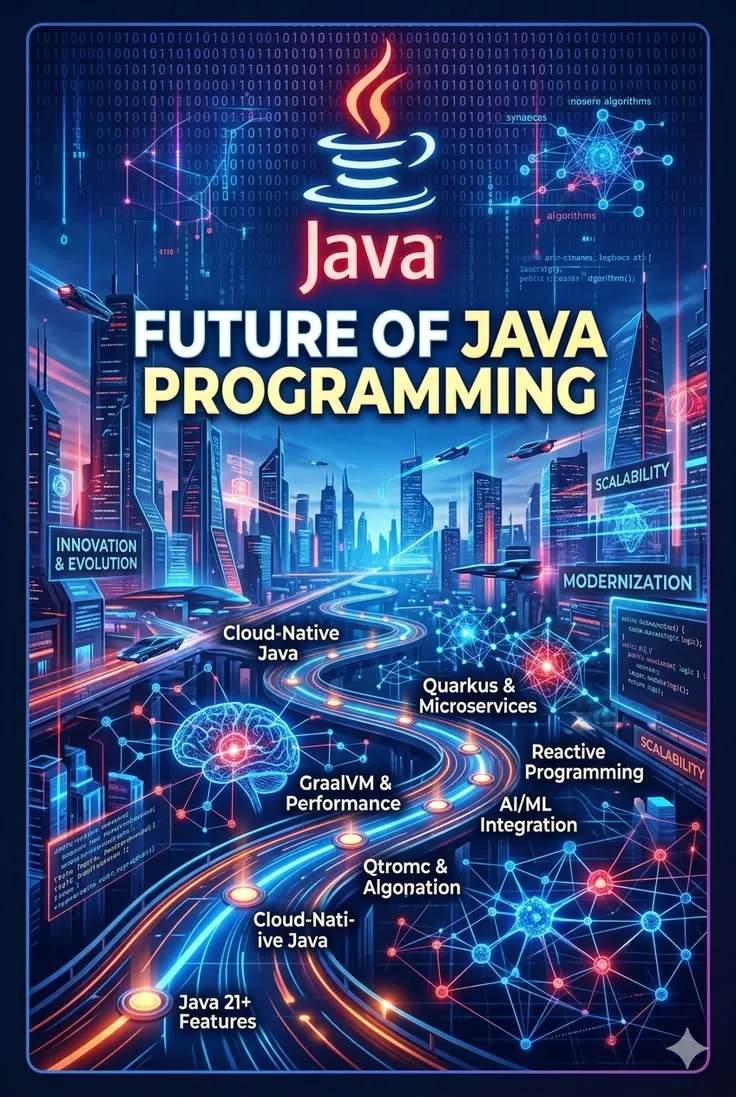
Java maintains its strong position in enterprise environments, powering large-scale applications, Android mobile development, and cloud-based systems. Its robustness, platform independence, and security features make it a preferred choice for banking, finance, e-commerce, and government projects.
Learning Java provides excellent long-term career stability. It is widely used in Spring Boot for microservices architecture and continues to evolve with new features. Java developers often transition into leadership and architecture roles, making it a strategic language for sustained career growth.
4. C#: Versatile for Enterprise and Gaming
C# excels in Windows application development, enterprise software, and game development through Unity. Microsoft’s strong ecosystem, including .NET, makes C# a top choice for building robust, scalable applications.
In 2026, demand for C# developers remains high in corporate environments and the gaming industry. Its modern features, combined with cross-platform capabilities, offer excellent opportunities in cloud development and enterprise solutions. Professionals with C# skills often command competitive compensation packages.
5. SQL: Essential for Data-Driven Careers
While not always classified as a traditional programming language, SQL is indispensable for working with databases. Almost every tech role requires some level of data handling. Proficiency in SQL allows you to query, manipulate, and analyse data efficiently.
In 2026, with the explosion of big data and analytics, SQL skills paired with Python or other languages significantly boost employability. It is particularly valuable for data analysts, business intelligence professionals, and backend developers.
6. Go (Golang): Rising Star for Cloud and Systems
Go has emerged as a favourite for building efficient, scalable backend systems, microservices, and cloud-native applications. Its simplicity, performance, and built-in concurrency support make it ideal for high-load environments.
Tech giants heavily use Go for infrastructure and cloud services. Learning Go positions you well for roles in DevOps, cloud engineering, and distributed systems — areas experiencing rapid growth in 2026.
7. Rust: For Performance-Critical Applications
Rust continues to gain traction due to its focus on safety, speed, and memory efficiency. It is increasingly used in systems programming, blockchain, WebAssembly, and embedded systems.
While steeper to learn than Python, Rust offers excellent career prospects in high-performance computing and security-focused roles. Its emphasis on preventing common bugs makes it attractive for companies building reliable software.
Choosing the Right Language for Your Goals
-
Beginners: Start with Python or JavaScript/TypeScript for quick wins and broad applicability.
-
Web Development Focus: Prioritise JavaScript/TypeScript.
-
Data Science & AI: Python is non-negotiable.
-
Enterprise & Stable Careers: Java or C#.
-
High-Performance & Future-Proofing: Go or Rust.
Strategic Learning Approach for 2026
Focus on building real projects alongside learning syntax. Contribute to open-source repositories, create a portfolio website, and solve problems on coding platforms. Combine multiple languages where they complement each other — for example, Python for data analysis with SQL for database management.
Stay updated with emerging trends like AI integration and cloud computing. Soft skills, such as problem-solving, communication, and teamwork, remain equally important for career advancement.
Final Thoughts
The programming languages you choose in 2026 can shape your professional trajectory for years to come. Python, JavaScript/TypeScript, Java, and C# form a strong foundation, while Go, Rust, and SQL add valuable specialisation. The key to success lies in consistent practice, building practical projects, and aligning your learning with market demands and personal interests.
By investing time in these languages, you position yourself for exciting opportunities, higher salaries, and long-term career growth in the ever-evolving technology industry. Start with one language that excites you, master the fundamentals, and gradually expand your skill set. The future belongs to adaptable, skilled developers who can solve real-world problems efficiently.
Read more – medianewsqo.com