UPI Users Get Major Relief
Millions of Indians using UPI every day have received an important clarification about possible payment charges. The Payments Council of India has said that UPI transactions will remain free for consumers, while small merchants are also expected to remain protected under the current clarification.
The discussion started after reports about introducing a Merchant Discount Rate, commonly called MDR, on selected business transactions. This immediately created confusion among regular users because many people depend on UPI for groceries, travel, food orders, bills, shopping, and even small everyday payments.
For ordinary customers, however, there is currently no announcement requiring them to pay a separate UPI transaction fee. PhonePe CEO Sameer Nigam has also publicly assured users that UPI will remain free for consumers.
That distinction matters quite a lot because the proposed discussion is mainly connected with how the UPI ecosystem earns money and manages transaction costs.
What Exactly Is MDR
Merchant Discount Rate is basically a transaction processing charge associated with certain digital payment transactions. In simple terms, it is a fee connected with accepting a particular type of electronic payment rather than a direct charge imposed on every person making a payment.
For years, regular bank-account-based UPI payments have operated without MDR for merchants in India. Government-supported policies have helped maintain this zero-MDR structure, especially for small merchants and everyday digital payments.
The new debate is therefore not about suddenly charging every UPI user. Instead, it focuses on whether selected commercial transactions should carry a small fee to help support payment companies, banks, and other parts of the digital payment ecosystem.
Reports have discussed possible MDR rates in the range of roughly 0.25 percent to 0.4 percent for certain business transactions above ₹2,000, although this should not be treated as a universal charge already applied to all UPI payments.
Small Merchants Remain Protected
The biggest concern for street vendors, local shopkeepers, and small businesses has been whether they would suddenly lose the benefit of free UPI acceptance.
The latest clarification from the Payments Council of India says consumers and small merchants will continue receiving protection from such charges under the present framework.
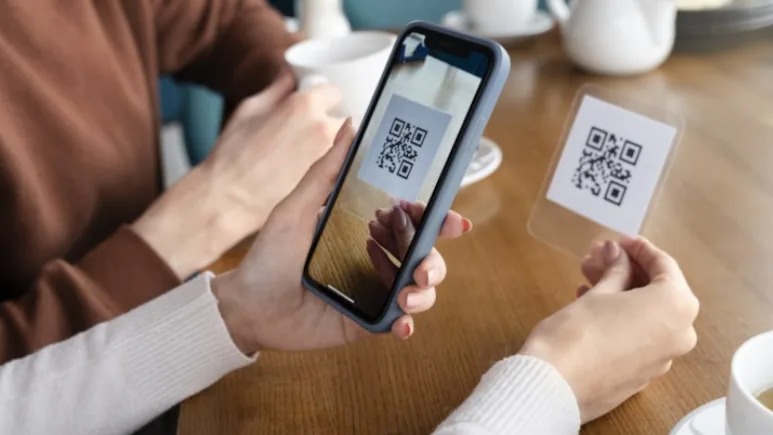
This is especially important in smaller cities and rural areas where UPI QR codes have become extremely common. A customer can buy vegetables, tea, stationery, snacks, or household products and simply scan a QR code without needing cash.
For small businesses, even a tiny percentage-based fee can become noticeable when hundreds or thousands of transactions happen every month. Keeping these merchants outside potential MDR charges could therefore help maintain digital payment adoption across India’s massive informal retail sector.
Why Large Merchants Are Different
Large companies operate very differently from neighborhood stores because their payment volumes can reach extremely high levels every day. Even a very small percentage on large transaction values can create meaningful revenue for payment ecosystem participants.
That is why the MDR discussion has focused more attention on selected commercial transactions and larger merchants. The idea is not necessarily to make digital payments expensive, but to create a sustainable financial model for the infrastructure supporting them.
India’s UPI system requires banks, payment service providers, technology platforms, fraud monitoring systems, customer support operations, and network infrastructure. All these layers have operating costs even though customers usually experience UPI as an instant and free service.
This creates an interesting problem for the industry because transaction volumes continue growing while the traditional zero-MDR model limits direct payment revenue.
Consumers Should Not Panic
Social media discussions around UPI charges can sometimes make a policy proposal sound like an immediate nationwide rule. That is not what the latest clarification indicates.
Regular customers should therefore not assume that sending ₹500 to a friend will suddenly result in an additional UPI fee. The current clarification specifically reinforces that consumers will continue using UPI without a direct transaction charge.
There are already situations where certain UPI-linked payment methods can involve MDR. For example, Google Pay’s merchant guidance explains that payments made using RuPay credit cards, credit lines, and wallets can attract applicable MDR, while direct bank-account UPI payments do not carry such a fee.
So users should understand the payment method involved instead of treating every UPI transaction as identical.
UPI Remains Central to Digital India
UPI has changed the way Indians think about everyday payments. Cash is still important, but scanning a QR code has become almost automatic for many customers.
From roadside stalls to large retail chains, UPI has created a payment option that works quickly and requires very little physical infrastructure. Customers do not need to carry exact cash, while merchants can receive money directly into their linked accounts.
The convenience has also helped digital payments spread beyond major metropolitan cities. Smaller towns and villages have increasingly adopted QR-based payments because smartphones and inexpensive internet access have made the process much easier.
Any policy affecting UPI therefore has consequences far beyond the banking industry. It can influence retailers, consumers, fintech companies, banks, payment processors, and thousands of small entrepreneurs.
The Real Debate Is Sustainability
The bigger question behind the current UPI fee discussion is not whether consumers should suddenly start paying. The bigger question concerns how India’s enormous digital payment network should remain financially sustainable over the long term.
Banks and payment companies need resources to maintain technology, prevent fraud, handle disputes, process transactions, and keep systems available around the clock. As transaction volumes increase, these operational requirements can become increasingly expensive.
At the same time, charging customers directly could discourage frequent digital payments. That would be particularly problematic for low-value transactions where even a small additional fee might make cash look more attractive.
A merchant-focused approach could therefore become one possible way of balancing ecosystem costs with consumer convenience, although the exact structure and implementation remain important questions.
Businesses May Watch The Changes
Large merchants and online businesses are likely to pay close attention to any future MDR framework. Payment costs can eventually influence how companies calculate their operating expenses, especially businesses handling very large numbers of transactions.
However, businesses would also need to consider customer expectations. Indian consumers have become accustomed to free bank-account UPI payments, and many people may react negatively if merchants suddenly add visible payment charges.
There could also be competition between different payment methods. Businesses may compare UPI with cards, wallets, net banking, and other digital options depending on transaction value and processing costs.
For now, though, merchants should not assume that every UPI payment automatically carries a new fee. The latest clarification specifically separates consumers and small merchants from the broader MDR debate.
What Users Should Remember
The most important point is quite simple for regular UPI customers. There is no current indication that consumers will have to start paying a general fee for ordinary UPI transactions.
The conversation is mainly about merchant-side charges and the economics of maintaining India’s digital payment infrastructure. Small merchants have also received reassurance that they will continue to benefit from the existing protections.
Users should also avoid believing viral messages claiming that every UPI payment above ₹2,000 will automatically attract a customer fee. Such claims can confuse the discussion around possible MDR arrangements with an actual consumer transaction charge.
The situation may continue evolving as policymakers, banks, fintech companies, and merchant groups discuss how UPI should be funded in the future.
What Happens Next
The UPI ecosystem is now too important to India’s economy for major pricing changes to happen without widespread attention. Any future MDR policy will likely need to balance affordability, merchant acceptance, payment-company sustainability, and consumer convenience.
For now, the message from the Payments Council and major industry voices is reassuring. Consumers can continue using regular UPI payments without worrying about a newly imposed general transaction fee.
The bigger changes, if introduced, would likely focus on selected merchant transactions rather than ordinary person-to-person payments. The exact rules, applicable merchants, transaction categories, and rates will matter greatly once any formal framework is announced.
Conclusion
The latest UPI fee debate has created plenty of confusion, but regular consumers have received an important reassurance. UPI payments will remain free for consumers, while small merchants are also expected to remain protected under the current clarification. The discussion is instead focused on whether selected merchant transactions should contribute a small MDR toward supporting India’s rapidly expanding digital payment ecosystem.
For now, customers can continue using UPI normally without expecting a general transaction charge. Businesses should meanwhile watch official announcements carefully because future MDR rules could affect payment costs for selected commercial transactions. Stay informed through reliable financial updates before reacting to social media claims, and follow official announcements for the latest UPI payment developments.
Read More :-