A recent social media post by the doctor known as TheLiverDoc has renewed public discussion about end-of-life care in India. The post questioned the routine use of aggressive treatment for critically ill patients and described dying inside hospitals as a significant commercial activity. It argued for greater consideration of home-based hospice and palliative care when further medical intervention is unlikely to improve quality of life or alter the outcome.
The comments have drawn attention to a long-standing gap between the number of people who need supportive care and those who actually receive it in a setting of their choice.
The Scale of Need in India
Government figures presented in Parliament indicate that between 7 and 10 million people in India require palliative care every year. Palliative care focuses on relieving pain, managing symptoms and supporting patients and families when a disease is advanced or life-limiting. It is not limited to the final days of life and can be provided alongside treatment when appropriate.
Under the National Programme for Palliative Care, services have expanded in recent years and are reported as functional in around 600 districts. Data for the financial year 2024-25 show that more than 60 lakh patients received outpatient palliative services, over 25 lakh received inpatient care, and approximately 5.5 lakh patients received home-based palliative care. These numbers reflect activity within the government programme and do not capture all private or non-governmental services.
Independent assessments and studies have repeatedly noted that overall coverage remains low. Estimates suggest that only a small fraction—often cited around 4 percent—of those who need palliative care receive timely and adequate support. The shortfall is especially pronounced in rural and underserved areas.
Home-Based Care as Part of the Solution
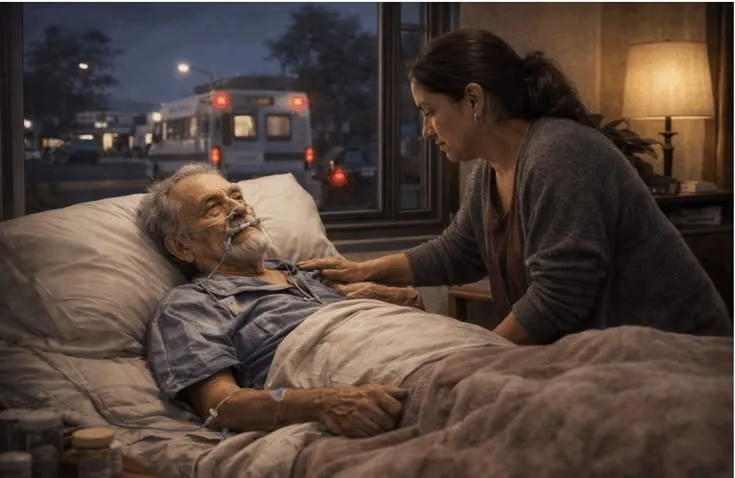
Home-based palliative care is designed to allow patients to remain in familiar surroundings while receiving medical and nursing support for pain, breathlessness, fatigue and other symptoms. Trained community health workers, nurses and doctors can visit homes, guide families in caregiving, and coordinate with higher facilities when needed.
Kerala has developed a relatively mature community model over decades, recording high volumes of home visits. Other states show more limited reach. Parliamentary data reveal wide variation in the number of home visits reported across different regions, underlining uneven implementation.
Advocates of home care argue that many patients and families prefer to spend the final phase of life at home when symptoms can be controlled and support is available. Hospitals, by contrast, can become places of repeated procedures, intensive monitoring and restricted family presence, particularly when the clinical goal has shifted from cure to comfort.
The Question of Aggressive Treatment
TheLiverDoc’s post highlighted situations in which continued aggressive interventions—such as repeated intensive care admissions, invasive procedures or prolonged life support—offer little realistic prospect of meaningful recovery. In such cases, the argument runs, the default pathway of hospital-based escalation may prolong dying rather than living, while generating substantial costs for families and the health system.
This is not a call to withdraw care. It is a call for honest conversations about prognosis, realistic goals and available alternatives. Palliative care teams specialise in these discussions, helping families understand what further treatment can and cannot achieve and what options exist for comfort-focused support at home or in dedicated facilities.
Critics of purely hospital-centric end-of-life care point to the emotional and financial strain on families, the risk of medical interventions that do not improve quality of life, and the opportunity cost of intensive resources used in situations where benefit is limited.
Barriers to Wider Access
Several practical obstacles limit the uptake of home hospice and palliative services. Awareness remains low among both the public and many clinicians. Families may not know that structured home support exists. Doctors may continue treatment pathways out of habit, fear of legal consequences, or lack of training in palliative approaches.
Infrastructure and trained manpower are unevenly distributed. Reliable supplies of essential medicines for symptom control, including opioids for severe pain, are not consistently available in all regions. Cultural expectations around fighting disease until the end can also make conversations about shifting goals of care difficult.
Funding and integration into routine health services continue to pose challenges. While palliative care has been included among essential services at primary care facilities and community health workers have been oriented to identify patients in need, the translation of policy into consistent, high-quality home visits varies widely.
A Broader Conversation About Dignity
The renewed discussion touches on deeper questions about how society approaches dying. For many patients, the ability to remain at home, surrounded by familiar people and free from the routines of a hospital ward, constitutes an important form of dignity. For others, the security of institutional care feels necessary. The choice should rest on clinical realities, patient values and family capacity, not solely on the default availability of hospital beds.
Home-based models require investment in training, logistics, medicine supply and community support systems. They also require clinicians willing to initiate timely conversations rather than continuing interventions by inertia. Families need clear information so that decisions are informed rather than made under pressure or in the absence of alternatives.
Moving Forward
Government data confirm both the large annual need for palliative care and the existence of a national programme that includes home-based services. The gap between need and effective coverage remains substantial. Public comments by clinicians such as TheLiverDoc help bring the issue into wider view, but sustained improvement will depend on expanding trained teams, ensuring medicine availability, integrating palliative approaches into mainstream medical practice, and making home care a realistic option rather than an exception.
When further aggressive treatment is unlikely to change the outcome, offering families the possibility of well-supported care at home is not a withdrawal of effort. It is a different form of care—one focused on comfort, presence and the priorities of the person who is ill. Strengthening that option is both a clinical and a social responsibility.
Read more – tastymenuideas.com