You’re functioning fine, but are you mentally exhausted? Many people continue meeting deadlines, managing responsibilities, and showing up for others while feeling increasingly depleted inside. Everyday tasks that once felt manageable start to feel overwhelming. This quiet form of strain, often called emotional exhaustion or high-functioning burnout, is more common than it appears and frequently goes unnoticed precisely because external performance remains intact.
Understanding Emotional Exhaustion Beyond Ordinary Tiredness
Emotional exhaustion is a state of profound psychological depletion that develops from sustained emotional demands without enough recovery. It differs from everyday tiredness, which usually improves with rest. Chronic stress builds when pressures continue without sufficient recovery opportunities. Emotional exhaustion describes feeling psychologically drained, which can arise in work, caregiving, relationships, or multiple life domains at once.
Burnout, as defined by the World Health Organization, is specifically an occupational phenomenon resulting from unmanaged chronic workplace stress. It involves three dimensions: energy depletion or exhaustion, increased mental distance or cynicism toward one’s job, and reduced professional efficacy. Emotional exhaustion can form part of burnout or appear independently alongside anxiety, depression, or other stressors. Recognising these distinctions helps avoid mislabelling every form of fatigue as burnout while still taking the experience seriously.
Common Signs of Emotional Exhaustion
Emotional exhaustion rarely begins with a dramatic collapse. It often appears gradually. People may notice a loss of interest in activities that once felt enjoyable. Calls to friends get postponed. Conversations feel effortful. Minor inconveniences trigger stronger irritation. Energy for hobbies or social plans dwindles even when schedules allow them.
Counselling psychologists highlight several key indicators to watch for. Sleep difficulties are frequent: trouble switching off after work, difficulty falling asleep, or persistent disturbances despite adequate hours in bed. Irritability rises, with less patience for everyday frustrations. Concentration becomes harder, and organising tasks or making simple decisions requires more effort. Emotional numbness can set in, creating a sense of disconnection from experiences or reduced ability to feel pleasure. Social withdrawal often follows because interacting with others feels emotionally demanding. Physical symptoms such as headaches or gastrointestinal discomfort may accompany prolonged stress.
In high-functioning individuals these signs can coexist with continued high output. Someone may deliver strong work presentations, care for family, and maintain social obligations while feeling hollow after achievements, zoning out in conversations, or experiencing decision fatigue over small choices. Fatigue that sleep does not restore, jaw tension, muscle tightness, or frequent minor illnesses can also appear. The gap between visible competence and internal depletion is one of the clearest markers.
Why High-Functioning People Often Overlook These Signs
High-functioning people are especially skilled at masking strain. The same traits that support success—discipline, compartmentalisation, high standards, and a strong sense of duty—can hide warning signals. Many continue performing on willpower long after emotional resources have run low. Because they still meet deadlines and appear capable, they and those around them assume everything is fine.
Identity often becomes closely linked to productivity and reliability. Feeling tired or overwhelmed can be interpreted as a personal shortcoming rather than a signal that demands have exceeded recovery capacity. Early symptoms such as brain fog or mild irritability are rationalised as temporary pressure that will ease after the next deadline or project. Rest may feel uncomfortable or even unsafe when the nervous system has adapted to constant activation. Perfectionism and a harsh inner critic further encourage pushing through rather than pausing.
Research and clinical observations show that emotional exhaustion frequently develops before any visible drop in performance. High achievers can maintain or even increase output while feeling emotionally flat, resentful of automatic yeses, or disconnected from the meaning that once fuelled their efforts. This pattern makes recognition delayed, sometimes until symptoms intensify or physical health is affected.
When Everyday Functioning Starts to Feel Unsustainable
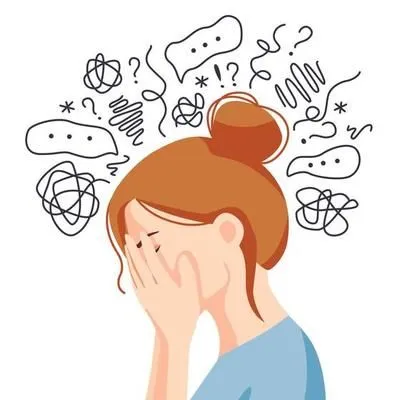
A useful marker is when ordinary activities begin to feel like chores. Rest that once restored energy no longer does. Joy in previously rewarding experiences stays flat. Relationships feel strained because emotional availability has diminished. Work remains completed, yet the sense of purpose or effectiveness fades. These shifts signal that the system is conserving resources by reducing access to motivation, pleasure, and connection.
Persistent symptoms lasting weeks, interference with daily life, or a growing sense of hopelessness about improvement warrant attention. Emotional exhaustion can progress toward deeper burnout, increased vulnerability to anxiety or depression, or physical consequences if left unaddressed. Medical evaluation is also wise when physical symptoms are prominent, as conditions such as thyroid issues, anaemia, or sleep disorders can overlap.
Seeking Support and Taking Practical Steps
Professional help becomes important when exhaustion continues despite rest, begins affecting relationships or work performance, or interferes with everyday functioning. A counselling psychologist or therapist can help identify recurring patterns, understand emotional responses, and develop coping strategies matched to individual circumstances. Support may include exploring boundaries, reducing over-functioning, rebuilding recovery practices, and addressing any co-occurring anxiety or low mood.
Self-awareness is a starting point. Noticing the difference between temporary stress and sustained depletion allows earlier intervention. Simple protective steps—consistent sleep routines, protected downtime without productivity pressure, realistic limits on commitments, and connection with trusted people—can interrupt the cycle when applied consistently. For many high-functioning individuals, learning that rest is not a failure but a necessary part of sustainable performance marks an important shift.
Emotional exhaustion is not a character flaw or lack of resilience. It is a predictable response to prolonged imbalance between demand and recovery. High-functioning people often sustain strain longer than others precisely because of their capacity, yet that same capacity does not grant immunity. Recognising the quieter signs—loss of interest, irritability, non-restorative sleep, emotional flatness, and the sense that even small tasks feel heavy—creates space for change before depletion deepens. Functioning well externally does not always equal thriving internally. Paying attention to the internal experience is a form of strength that supports longer-term wellbeing.
Read more – PeopleStoryHub.com