The human gut is far more than a simple digestive tube. It houses a vast community of microorganisms collectively known as the gut microbiota, which plays a central role in digestion, immune function, and broader aspects of health. Scientific understanding has established that a balanced gut environment supports nutrient absorption, trains the immune system, and influences systemic well-being. Disruptions in this balance, often called dysbiosis, can contribute to a range of health challenges.
Understanding the Gut Microbiota
The gastrointestinal tract contains trillions of microbial cells, primarily bacteria, along with fungi, viruses, and other microorganisms. This community is densest in the large intestine and interacts continuously with the host. Early colonization after birth is critical for the proper maturation of both the intestinal and systemic immune systems. Studies of germ-free animals have shown that the absence of these microbes leads to underdeveloped gut-associated lymphoid tissue, reduced immune cell populations, and impaired responses to pathogens. Once colonized, the microbiota helps shape immune tolerance and defense mechanisms that persist throughout life.
Gut Health and Digestion
One of the most fundamental roles of the gut microbiota is in digestion. Human enzymes cannot fully break down many complex carbohydrates and dietary fibers. Gut bacteria ferment these compounds, producing short-chain fatty acids such as acetate, propionate, and butyrate. These metabolites serve as an energy source for the cells lining the colon and help maintain the integrity of the intestinal barrier.
The microbiota also contributes to the synthesis of certain vitamins, including vitamin K and some B vitamins. It assists in the metabolism and bioavailability of various micronutrients. A diverse and balanced microbial community supports efficient nutrient extraction and helps regulate transit time and overall digestive comfort. Diets rich in plant fibers tend to promote greater microbial diversity, which in turn supports these digestive functions.
The Gut as a Major Immune Organ
A substantial portion of the body’s immune system resides in the gut. Estimates indicate that around 70 percent of immune cells are located in or around the gastrointestinal tract. The microbiota plays an essential role in training and educating these immune cells. It promotes the development of regulatory T cells that help maintain immune tolerance and prevent excessive inflammatory responses. It also influences the differentiation of other T-cell subsets and supports the production of immunoglobulin A, an antibody important for mucosal defense.
Beneficial microbes help the immune system distinguish between harmless substances and potential threats. Through direct competition for nutrients and space, as well as the production of antimicrobial compounds, the microbiota provides a first line of defense against invading pathogens. Microbial metabolites, particularly short-chain fatty acids, further modulate immune activity by reducing pro-inflammatory signaling and supporting barrier integrity.
When the microbial balance is disturbed, the immune system can become dysregulated. This may contribute to increased intestinal permeability, chronic low-grade inflammation, and a higher risk of immune-related conditions. Maintaining microbial diversity through diet and lifestyle is therefore closely linked to healthy immune function.
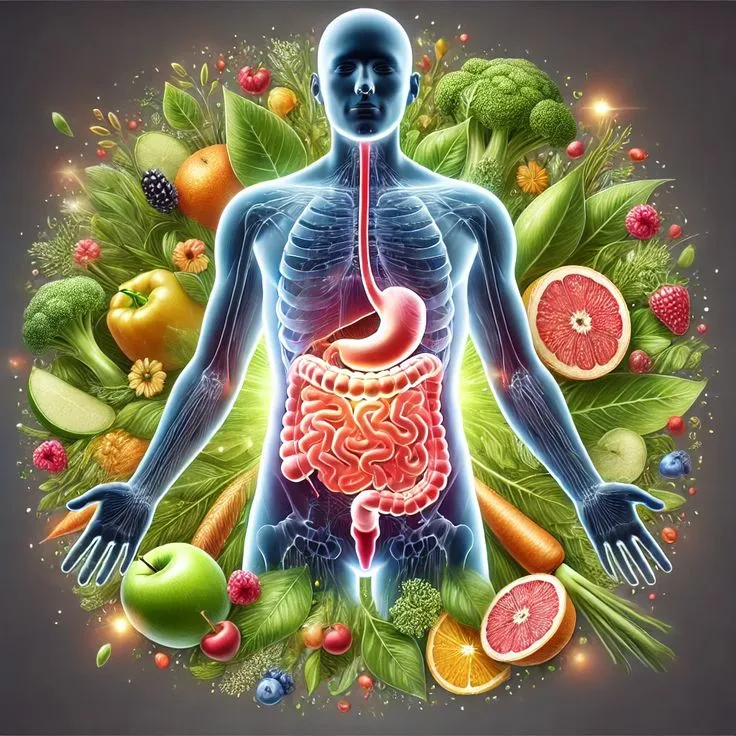
Influence on Overall Well-Being
The effects of gut health extend beyond digestion and immunity. The gut and the brain communicate through multiple pathways, including the vagus nerve, immune signaling, and microbial metabolites. This bidirectional communication, often referred to as the gut-brain axis, means that the state of the microbiota can influence mood, stress responses, and cognitive processes. A large proportion of the body’s serotonin, a neurotransmitter involved in mood regulation, is produced in the gut.
Research has associated microbial imbalances with conditions involving inflammation and altered immune signaling. Conversely, a healthy microbiota characterized by diverse beneficial species and adequate production of short-chain fatty acids is linked to better barrier function, lower systemic inflammation, and support for mental and physical resilience.
Lifestyle factors strongly shape the composition of the gut microbiota. Diets high in diverse plant foods, fiber, and fermented products tend to encourage beneficial microbial populations. In contrast, diets heavy in processed foods, excess sugar, and saturated fats are associated with reduced diversity and a more pro-inflammatory profile. Physical activity, sleep quality, and stress management also influence microbial balance.
Supporting Gut Health in Daily Life
Practical steps to support gut health focus on nourishing beneficial microbes and protecting the intestinal barrier. Consuming a variety of fiber-rich foods provides the substrates that beneficial bacteria ferment into short-chain fatty acids. Including fermented foods can introduce live microbes. Avoiding unnecessary antibiotics when possible helps preserve microbial diversity, as these medications can significantly alter the community composition.
Adequate hydration, regular movement, and attention to stress levels further support overall gut function. While individual responses vary, consistent dietary patterns that prioritize whole foods generally promote a more resilient microbial ecosystem.
A Foundation for Long-Term Health
Gut health is not an isolated concern. It forms a foundation that influences digestion, immune readiness, and aspects of mental and metabolic well-being. The microbiota and the immune system develop and function in close partnership. When this partnership remains balanced, the body is better equipped to absorb nutrients, defend against pathogens, regulate inflammation, and maintain systemic equilibrium.
Scientific evidence continues to expand understanding of these connections. What is already clear is that supporting a diverse and stable gut microbial community through everyday habits offers meaningful benefits for immunity, digestive efficiency, and overall health. Prioritizing gut health is therefore a practical and evidence-aligned approach to supporting long-term well-being.
Read more – flowofnames.com