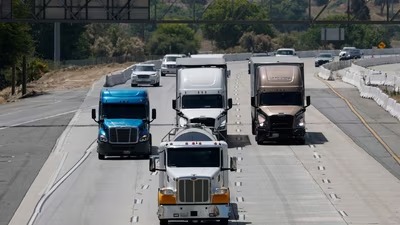
The American trucking industry has entered another uncertain phase after reports that around 28,000 immigrant truckers have lost their commercial driving licences. The decision has created fresh debate across logistics companies, immigration circles, and transport experts. Many businesses depend on immigrant drivers to keep goods moving across thousands of miles every single day. Now, concerns are growing about labour shortages, delayed deliveries, and higher transportation costs. Indian truck drivers, who have slowly become a visible part of the American trucking workforce, are expected to feel the impact more than many people initially believed.
What Triggered This Massive Licence Cancellation
Authorities in the United States have reportedly cancelled nearly 28,000 commercial driving licences connected with immigrant drivers after changes in verification requirements and immigration-related compliance checks. Officials argue that commercial drivers must meet strict legal standards because they operate heavy vehicles carrying valuable cargo across state borders. That explanation sounds straightforward, yet the practical consequences reach much further than paperwork.
Many trucking companies suddenly found themselves with fewer available drivers. Freight businesses already struggle to recruit enough qualified workers every year. Losing thousands of experienced commercial drivers within a short period naturally creates pressure throughout the transportation sector. Even businesses that were not directly affected could eventually notice slower freight movement and increased operating expenses.
Why Indian Truck Drivers Could Be Hit Hard
Indian immigrants have become an important part of the North American trucking workforce during the past decade. Many moved into trucking because it offered stable earnings, flexible employment opportunities, and relatively strong demand. Some worked independently as owner-operators, while others joined established transportation companies operating across several states.
If licence cancellations affect drivers connected with immigration documentation or legal work authorization, Indian workers may face additional uncertainty. Even those whose licences remain valid may worry about future policy changes or stricter compliance requirements. Families depending on trucking income could experience financial stress while waiting for legal clarity.
The emotional impact deserves attention too. Many immigrant drivers spent years building careers after relocating to another country. Losing the ability to drive commercially does not simply affect employment. It also interrupts long-term financial plans, home loans, children’s education expenses, and future settlement goals.
Pressure Builds Across The Freight Industry
The American freight sector depends heavily on commercial truck drivers. Nearly every product reaches warehouses, stores, hospitals, or factories through road transportation before arriving at customers. Removing thousands of licensed drivers from active service naturally creates operational problems.
Companies may struggle to schedule long-distance deliveries. Existing drivers could receive additional workloads, leading to longer working hours and increased pressure. Businesses facing delivery delays might eventually increase freight charges. Those costs rarely stay inside logistics companies forever because they often reach manufacturers, retailers, and finally consumers.
Industry experts have repeatedly warned that driver shortages remain one of trucking’s biggest challenges. Losing experienced immigrant drivers only adds another layer to an already difficult labour situation.
Immigration Rules Continue Changing
Immigration policy in the United States often changes depending on government priorities, legal decisions, and administrative reviews. Commercial driving licences linked to work authorization become especially sensitive whenever documentation standards become stricter.
Some immigrant drivers may qualify to restore their licences after completing updated verification procedures. Others could face longer legal processes depending on their immigration status. Every individual case differs, making it difficult to predict exactly how many affected drivers will eventually return to work.
Transportation companies now need legal guidance alongside human resource planning. Employers cannot simply replace experienced truck drivers overnight because commercial driving requires training, certification, safety knowledge, and practical road experience.
Financial Effects May Spread Beyond Drivers
The trucking industry influences nearly every business sector. Grocery stores, automobile manufacturers, construction firms, pharmaceutical companies, and online retailers all depend on reliable freight transportation. Small disruptions often become expensive very quickly.
If trucking capacity decreases, delivery timelines may become less predictable. Businesses could pay higher transportation rates to secure available drivers. Consumers sometimes notice these changes later through increased product prices or slower shipping schedules.
Independent truck owners may also experience mixed outcomes. Some could receive more work because driver availability has fallen. Others affected by licence cancellations might suddenly lose their primary source of income without immediate alternatives.
Indian Families Watching Developments Closely
Many Indian families living in America have relatives working in transportation. Trucking has become a respected profession because consistent demand often provides dependable income compared with several other industries requiring similar educational backgrounds.
The latest developments have naturally increased anxiety inside immigrant communities. Drivers are seeking legal advice while employers review compliance procedures. Families want clear information rather than speculation because employment decisions directly affect household finances.
People planning to move into trucking may also reconsider career decisions until regulations become clearer. Career uncertainty often discourages newcomers from entering industries experiencing legal or administrative complications.
Can Companies Replace These Drivers Quickly
Replacing thousands of commercial truck drivers sounds simple on paper but rarely works that way in reality. New drivers require commercial licence training, road testing, background verification, medical examinations, and practical experience before handling long-haul freight safely.
Many logistics companies already invest significant resources in recruitment because driver turnover remains relatively high. Finding experienced replacements becomes even harder when demand continues exceeding available labour.
Some businesses may increase wages or offer signing bonuses to attract qualified drivers. Others could rely more heavily on regional transportation partners until staffing improves. Automation receives frequent attention during these discussions, yet fully autonomous freight transportation remains far from replacing large numbers of professional truck drivers.
Legal Experts Expect More Challenges Ahead
Immigration lawyers believe some affected drivers could challenge licence cancellations depending on individual circumstances. Administrative reviews and court proceedings sometimes change outcomes, especially when documentation issues involve interpretation rather than intentional violations.
Transportation associations may also engage with government agencies seeking practical solutions. Industry groups often argue that sudden workforce reductions create economic problems extending beyond individual drivers. Policymakers therefore face balancing immigration enforcement with maintaining supply chain stability.
Nobody expects immediate answers because regulatory issues involving immigration usually require detailed legal examination. Businesses, drivers, and freight customers may continue experiencing uncertainty until clearer guidance becomes available.
What Happens Next For Indian Drivers
Indian commercial drivers currently working in America should remain informed about changing regulations while ensuring employment documents remain updated. Consulting qualified immigration professionals may help drivers understand personal legal obligations before problems arise.
Employers also play an important role by communicating openly with affected workers and reviewing documentation carefully. Preventive compliance often proves less costly than responding after licences become invalid.
Future policy adjustments could restore opportunities for some drivers while introducing additional requirements for others. Much depends on administrative decisions, legal reviews, and ongoing immigration enforcement priorities during the coming months.
Conclusion
The cancellation of nearly 28,000 immigrant trucker licences represents more than an administrative decision because it touches employment, immigration policy, supply chains, and family livelihoods at the same time. Indian truck drivers may feel a noticeable impact due to their growing presence within the American freight industry. While some drivers could eventually regain eligibility through legal or administrative processes, uncertainty remains high for both workers and employers. Businesses, policymakers, and industry organizations will likely continue searching for practical solutions that protect transportation networks without compromising regulatory standards. The coming months will determine whether this becomes a temporary disruption or a long-term workforce challenge. Stay connected for trusted updates, expert analysis, and the latest international news affecting Indian professionals worldwide.
Read More :-