Heavy rainfall and weather warnings prompted authorities in parts of Karnataka, Gujarat, and Jammu and Kashmir to close educational institutions on August 1. The decisions were taken as precautionary measures to protect students and staff from risks associated with intense rain, waterlogging, and related hazards. Local administrations issued orders based on forecasts from the India Meteorological Department, while also circulating safety advisories and, in some cases, arranging alternative arrangements such as online classes.
Weather Context and Official Alerts
The India Meteorological Department had forecast heavy to very heavy rainfall, with isolated extremely heavy falls, over several regions on August 1. Gujarat faced particularly strong warnings, including red alerts for extremely heavy rain in multiple districts. Coastal and interior parts of Karnataka were placed under alerts for heavy to very heavy rain. Jammu and Kashmir continued to experience unsettled conditions with risks of landslides and difficult road conditions in hilly areas.
These forecasts led district administrations to prioritise safety over regular academic schedules. Closures were generally limited to specific districts or taluks rather than statewide, reflecting the localised nature of the most intense rainfall.
Closures in Karnataka
In Karnataka, the Dakshina Kannada district administration declared a holiday for educational institutions on August 1. The order covered anganwadis, government and private schools, pre-university colleges, industrial training institutes, and diploma-level polytechnics across the district. The decision followed an orange alert issued for the region and expectations of continued heavy rainfall.
Coastal Karnataka has experienced repeated spells of intense monsoon rain, making such precautionary closures a recurring measure during peak monsoon periods. Authorities advised residents to avoid unnecessary travel and stay clear of water bodies while the weather remained unsettled.
Closures in Gujarat
Gujarat saw more widespread closures linked to red and orange alerts for extremely heavy rainfall. Districts including Ahmedabad, Vadodara, Anand, and Kheda ordered the suspension of classes in schools, colleges, and other educational institutions. In some districts the holiday covered both July 31 and August 1.
Officials cited the risk of heavy rain accompanied by thunderstorms, lightning, and strong winds. The closures applied to government and private institutions as well as anganwadis in the affected areas. Local administrations emphasised that the decision was taken to prevent students from being exposed to hazardous travel conditions and potential flooding in low-lying zones.
Closures in Jammu and Kashmir
In Jammu and Kashmir, heavy rain and associated safety concerns led to the closure of schools in several districts. Reports indicated that government and private schools in places such as Doda, Kishtwar, and other rain-affected areas remained shut. In some locations authorities directed that online classes should continue so that academic work was not completely interrupted.
Hilly terrain in the region increases the risk of landslides and road blockages during intense rainfall. Closures were therefore framed as necessary steps to protect students, many of whom travel longer distances to reach school. Highway disruptions in parts of the region further supported the decision to keep physical attendance suspended.
Additional Measures and Academic Adjustments
Alongside school closures, authorities issued general safety advisories. These typically included warnings against venturing near swollen streams, avoiding waterlogged roads, and remaining indoors during the heaviest spells of rain. Parents were asked to monitor official updates, as decisions can change quickly with evolving weather conditions.
In districts where examinations or important academic activities were scheduled, some institutions explored rescheduling or alternative arrangements. Where feasible, schools shifted to online or remote learning for the day so that teaching could continue without requiring students to travel.
Broader Monsoon Impact
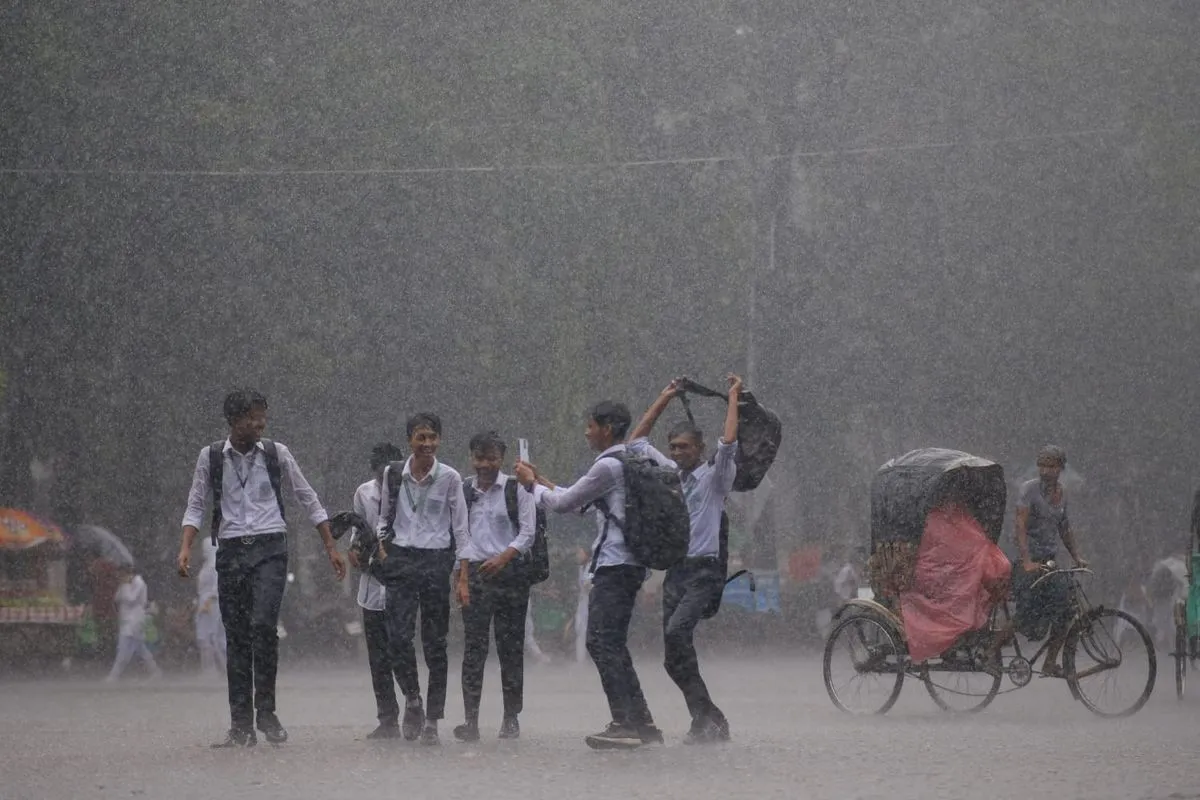
August forms part of the peak southwest monsoon period for much of India. Intense rainfall events frequently lead to temporary disruption of normal life, including school schedules, transport, and outdoor activities. Local administrations have increasingly adopted a proactive approach, ordering closures early when forecasts indicate significant risk rather than waiting for conditions to deteriorate.
The pattern of district-level decisions rather than blanket statewide holidays allows authorities to respond more precisely to actual weather conditions. Areas receiving lighter rain can continue normal functioning while higher-risk zones prioritise safety.
Advice for Students and Parents
Families in the affected regions were advised to treat the closures as safety measures and to follow any additional instructions issued by district administrations or school authorities. Students were encouraged to use the day for revision or online learning where arrangements had been made. Parents were asked to ensure children stayed away from flooded areas and to keep emergency contacts ready.
As weather systems move and intensity changes, further updates are often issued. Checking reliable local official sources remains the best way to confirm whether institutions will reopen the following day or if additional precautions are required.
Conclusion
The closure of schools in parts of Karnataka, Gujarat, and Jammu and Kashmir on August 1 reflected a clear prioritisation of student safety amid heavy rainfall warnings. By acting on meteorological alerts and ordering timely holidays, along with safety advisories and, where possible, continuity through online classes, authorities sought to minimise risk during a period of intense monsoon activity. Such precautionary steps, though disruptive in the short term, help protect lives and reduce the chance of weather-related incidents involving schoolchildren. As the monsoon continues, similar localized decisions are likely whenever forecasts point to hazardous conditions.
Read more – thewhipp.com