Birla Institute of Technology and Science (BITS) Pilani has received a significant boost to its research capabilities with a $1 million seed gift from alumnus Anurag Jain. The funding will support the establishment of the Anurag Jain Materials Research and Innovation Center of Excellence, known as AMRIT, at the institute’s Goa campus. The centre is designed to bridge laboratory research with industry needs and commercial outcomes in critical areas of advanced materials science.
A Strategic Investment in Future Technologies
The AMRIT centre represents a focused effort to strengthen India’s capacity in materials that underpin next-generation energy, electronics and sustainability solutions. Its research priorities include batteries and supercapacitors, hydrogen production and fuel cells, photovoltaics, carbon capture, utilisation and storage, as well as semiconductors and sensors. These domains sit at the intersection of national strategic interests and global technological competition.
By concentrating resources on materials innovation, the centre aims to move beyond pure academic inquiry. It will emphasise technology translation, the development of intellectual property, industry partnerships and the creation of materials-focused startups. The goal is to create a pipeline that allows promising laboratory discoveries to progress toward practical applications and commercial viability.
Bridging Academia, Industry and Entrepreneurship
AMRIT is structured as a collaborative platform. It will bring together faculty researchers, students, industry professionals, entrepreneurs and international academic partners. This multi-stakeholder model is intended to ensure that research agendas remain relevant to real-world challenges while maintaining scientific depth.
The centre plans to involve external experts—scientists, industry leaders and entrepreneurs—in advisory roles. Their guidance is expected to shape research directions, partnership strategies and commercialisation pathways. Such involvement can help align academic work with market needs and accelerate the movement of technologies from the lab to industry.
For students, the centre is likely to offer opportunities for hands-on research, exposure to industry problems and participation in entrepreneurial ventures. For faculty, it provides a dedicated environment and resources to pursue high-impact projects in strategically important materials domains.
The Role of Alumni Philanthropy
Anurag Jain, a member of the BITS Pilani class of 1988, has framed the gift in the context of India’s broader technological ambitions. He has noted that the country has an opportunity to emerge as a global leader in advanced materials and the technologies they enable. The seed funding is intended to help build the institutional capacity required to pursue that opportunity.
Alumni contributions have played an increasingly visible role in the development of Indian higher education institutions. Gifts of this nature allow universities to launch specialised centres that might otherwise take longer to establish through conventional funding channels. In the case of AMRIT, the $1 million seed gift provides a foundation upon which further partnerships, grants and industry collaborations can be built.
Focus Areas with National and Global Relevance
The chosen research themes reflect pressing technological and environmental priorities. Advanced batteries and supercapacitors are central to electric mobility and renewable energy storage. Hydrogen technologies are viewed as a potential pathway for clean energy systems. Photovoltaics remain critical for expanding solar power. Carbon capture and related technologies address climate mitigation, while semiconductors and sensors underpin electronics, manufacturing and emerging digital systems.
Progress in these areas depends heavily on materials innovation—new chemistries, improved performance, lower costs and greater sustainability. A dedicated centre can concentrate expertise, equipment and collaborative networks needed to make meaningful advances.
Strengthening the Goa Campus Research Ecosystem
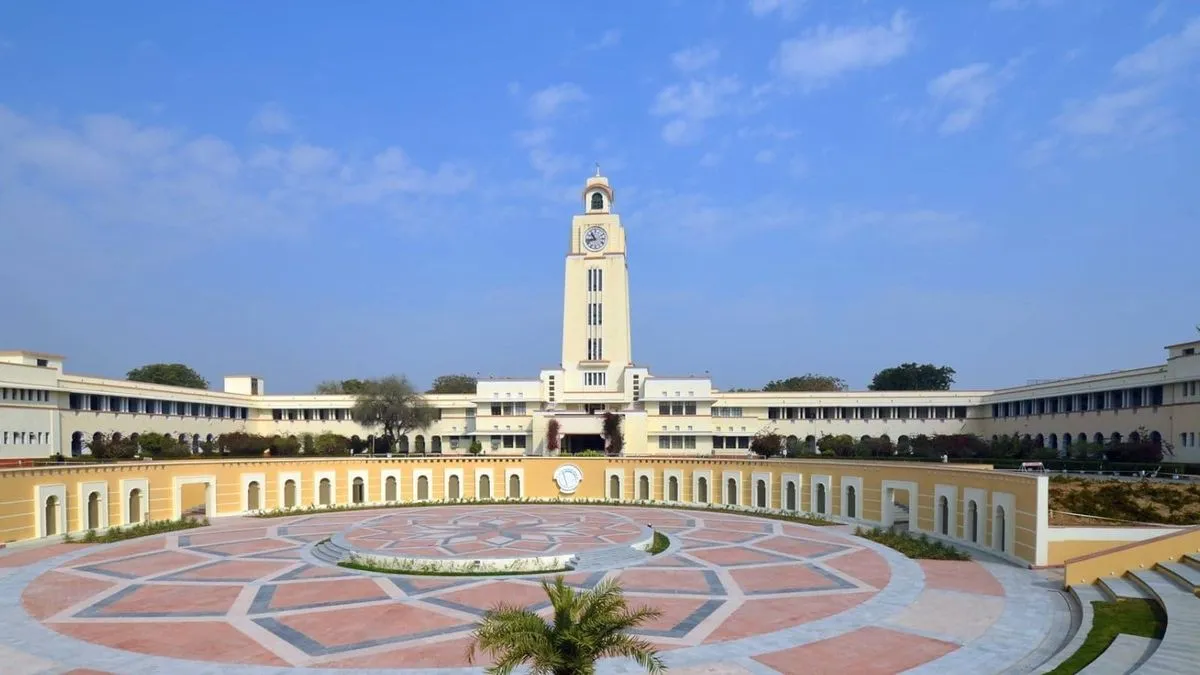
Locating AMRIT at the BITS Pilani Goa campus adds to the research profile of that location. The campus has been expanding its engagement in advanced science and technology domains. A specialised materials centre complements existing strengths and creates new opportunities for interdisciplinary work.
The centre’s emphasis on commercialisation and startups also aligns with broader efforts to strengthen the innovation and entrepreneurship ecosystem around academic institutions. By supporting intellectual property development and new venture creation, AMRIT can contribute to both knowledge generation and economic value.
Building for Long-Term Impact
Seed funding is only the starting point. The long-term success of AMRIT will depend on its ability to attract additional resources, recruit strong research talent, form durable industry partnerships and demonstrate tangible outcomes. These outcomes may include publications, patents, licensed technologies, spin-off companies and contributions to national technology programmes.
The involvement of international academic partners can further enhance the centre’s reach, enabling joint projects, student and faculty exchanges, and access to complementary expertise and facilities. Such connections help position the centre within global research networks while addressing priorities relevant to India.
A Broader Signal for Research-Oriented Education
The establishment of AMRIT underscores a growing recognition that materials science is foundational to many of the technologies that will shape energy systems, electronics and industrial competitiveness in the coming decades. By investing in a dedicated centre with a clear pathway from research to application, BITS Pilani is reinforcing the role of universities as active contributors to technological and economic development.
The gift also illustrates the potential of alumni engagement. When successful graduates reinvest in their institutions with both resources and strategic vision, they can help create platforms that benefit future generations of students and researchers.
Looking Ahead
As AMRIT takes shape at the Goa campus, attention will turn to its operational details: the recruitment of researchers, the development of laboratories and infrastructure, the formation of industry advisory mechanisms, and the launch of initial research programmes. Early projects in batteries, hydrogen, semiconductors or carbon-related materials will help define the centre’s identity and demonstrate its capacity to deliver results.
For BITS Pilani, the centre adds a new dimension to its research portfolio. For India, it represents another node in the expanding network of institutions working on advanced materials. And for Anurag Jain, it is a concrete expression of the belief that focused investment in research and innovation can help the country claim a stronger position in technologies that will matter for decades to come.
The $1 million seed gift is modest relative to the scale of global materials research, yet it is purposeful. By creating a structured environment for collaboration, translation and entrepreneurship, AMRIT has the potential to punch above its initial funding weight—if it succeeds in building the partnerships and research excellence its design envisions.
Read more – simplemarathiukhane.com