A genetically modified pig kidney kept a 66-year-old American man off dialysis for 271 days before he received a human kidney earlier this year. The case, the longest dialysis-free survival reported after a pig-kidney transplant in a living person, has sharpened global attention on xenotransplantation. In India, the development has coincided with a concrete institutional step: Sir Ganga Ram Hospital in Delhi has established the country’s first dedicated department for the field, while the Union health ministry works on formal guidelines.
The Landmark US Case and Its Significance
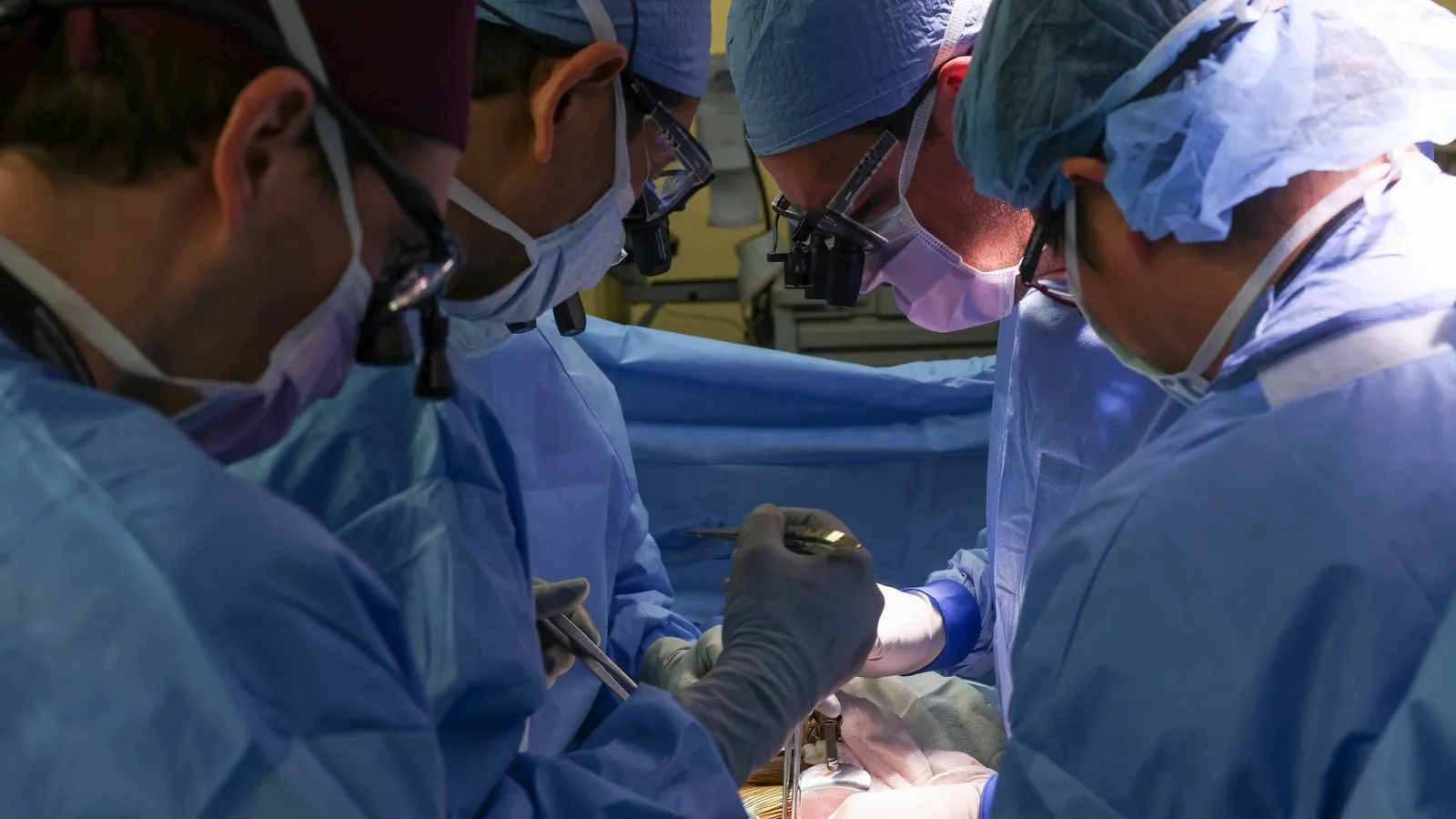
The patient, Tim Andrews, received a gene-edited pig kidney in January 2025. The organ had undergone extensive genetic modifications designed to reduce the risk of immune rejection and eliminate certain viral risks inherent to pig tissue. It functioned immediately and sustained him without dialysis for 271 days. When the pig kidney eventually failed, it was removed. After a period back on dialysis, Andrews successfully received a human donor kidney that showed immediate function.
Clinicians described the episode as the first clear clinical evidence that a genetically engineered pig kidney can serve as a temporary bridge to a human transplant. For patients with a low probability of receiving a human organ quickly, such a bridge could prevent prolonged dialysis, preserve overall health, and keep future transplant options open. The absence of clinically significant sensitization that would have blocked a subsequent human transplant was particularly encouraging.
The result does not mean xenotransplantation is ready for routine use. It does demonstrate that carefully engineered animal organs can support human life for meaningful periods and that transition to a conventional human transplant remains possible afterward.
India’s Organ Shortage Context
India faces one of the world’s most severe shortages of donor organs. Deceased donation rates remain low, and the gap between patients waiting for kidneys, livers, hearts and other organs and the number of available grafts is vast. Many patients spend years on dialysis or die while waiting. Living donation helps but cannot meet the overall need and carries its own ethical and medical complexities.
In this environment, any credible pathway that could expand the supply of transplantable organs attracts serious interest. Xenotransplantation—using organs from animals, primarily pigs that have been genetically modified for greater human compatibility—has long been discussed as one such pathway. Recent progress in gene editing and immunosuppressive strategies has moved the field from pure speculation toward early clinical reality in a few centres abroad.
Sir Ganga Ram Hospital’s Dedicated Department
Sir Ganga Ram Hospital has responded by creating a specialised xenotransplantation department, reported as the first of its kind in India. The move signals an institutional commitment to prepare for the scientific, clinical and regulatory demands of the field rather than treating it as a distant prospect.
Setting up a dedicated unit allows the hospital to develop focused expertise in the unique challenges of cross-species transplantation. These include rigorous infection control to prevent transmission of animal pathogens, specialised immunological monitoring, protocols for managing novel forms of rejection, and the complex logistics of sourcing and preparing genetically modified organs. The department is positioned to engage with international research, train personnel, and eventually participate in carefully regulated clinical activity once national frameworks are in place.
Hospital leadership has linked the initiative to the broader goal of addressing India’s organ shortage through multiple complementary strategies, of which xenotransplantation is one long-term component.
Government Work on Guidelines
Parallel to institutional preparation, the Union health ministry is developing guidelines for xenotransplantation. Clear rules are essential. They must address donor animal standards, genetic modification requirements, screening for zoonotic risks, informed consent processes, long-term recipient monitoring, data reporting, and ethical oversight.
Without a robust regulatory framework, clinical activity would be difficult to conduct safely or transparently. Guidelines also provide clarity for researchers, hospitals, ethics committees and potential industry partners. The ministry’s work indicates that policymakers recognise both the promise of the technology and the need for careful governance before any expansion beyond highly controlled settings.
Scientific and Ethical Considerations
Xenotransplantation raises distinctive scientific questions. Even with extensive gene editing, the risk of immune rejection remains higher and more complex than in human-to-human transplants. The possibility of transmitting porcine viruses, including those that might adapt to humans, requires stringent safeguards. Long-term outcomes—how long engineered organs can function, what chronic complications arise, and how patients fare after eventual human transplantation—are still being established.
Ethical issues are equally significant. These include animal welfare in the breeding of genetically modified pigs, equitable access to any future therapy, the definition of acceptable risk for early recipients, and public acceptance of animal organs in human bodies. Religious and cultural perspectives on the use of pig tissue will also shape the conversation in India.
A dedicated hospital department and forthcoming national guidelines create structured spaces in which these scientific and ethical questions can be examined systematically rather than in an ad-hoc manner.
Bridging to a Broader Solution
Experts emphasise that xenotransplantation is unlikely to replace human organ donation. Its most realistic near-term role is as a bridge or a supplementary source for patients who would otherwise face long waits or no option at all. Success in this role would still represent a major advance. Reducing time on dialysis, preventing deterioration while waiting, and expanding the total number of patients who eventually receive functioning organs would ease pressure on the existing system.
Progress will depend on continued international research, careful domestic preparation, and transparent public communication. The 271-day case has supplied an important proof of concept. India’s decision to establish specialised infrastructure and to draft rules shows that the country intends to engage with the field rather than remain a passive observer.
Looking Ahead
The path from experimental success to routine clinical application is long. It will require more patients treated under rigorous protocols, longer follow-up data, refinements in gene editing and immunosuppression, and robust regulatory oversight. Sir Ganga Ram Hospital’s new department and the health ministry’s guideline development mark the beginning of India’s organised participation in that journey.
For the thousands of patients currently waiting for organs, the developments offer a measured form of hope. They do not promise immediate solutions. They do indicate that the scientific and institutional foundations for a potential new source of transplantable organs are being laid with deliberate care. In a country where the gap between organ need and organ supply remains painfully wide, that preparation itself is a meaningful step.
Read more – Dailymarathishayari.com